Ultimate Guide to Saltwater & Coastal Trunk Organizer Care: Corrosion Prevention, Maintenance, and Rust‑Proofing Tips
Introduction
Coastal living offers scenic drives, but the salty air and occasional seawater splashes create a harsh environment for vehicle accessories. This guide explains how to protect trunk organizers from corrosion, extend their lifespan, and maintain optimal performance. Readers will learn the science behind salt‑induced rust, practical cleaning routines, rust‑proofing methods, and how to select the most suitable organizer for marine conditions.
Background & Context
Saltwater corrosion occurs when chloride ions accelerate the oxidation of metals, turning steel and iron into rust. Even non‑metallic components such as corrugated plastic can degrade when exposed to moisture and UV radiation. Understanding the materials used in trunk organizers—metal frames, plastic panels, woven fabrics—helps owners choose appropriate protective strategies. In coastal regions, daily exposure to sea spray, humidity, and occasional rain demands a proactive maintenance plan.
Understanding Saltwater Corrosion
Corrosion is an electrochemical reaction that requires three elements: a metal, an electrolyte (water containing salts), and oxygen. When a trunk organizer sits in a humid trunk, salt particles settle on metal brackets and begin to draw electrons away from the metal surface, forming iron oxide. The process can be visualized as a slow rusting of a fence left near the ocean.
- Chloride ions act as catalysts, speeding up oxidation.
- Humidity provides the electrolyte needed for the reaction.
- Temperature fluctuations expand and contract metal, creating micro‑cracks where rust can start.
Recognizing these factors allows owners to intervene before rust becomes structural.
Materials Commonly Used in Trunk Organizers
Most trunk organizers combine metal frames with plastic or fabric compartments. The key materials include:
- Steel or aluminum brackets—provide structural support but are vulnerable to rust if not coated.
- Corrugated plastic panels—lightweight and water‑resistant; however, they can become brittle under UV exposure.
- Woven polyester or nylon fabrics—often treated for water resistance, yet they can absorb moisture over time.
Choosing an organizer with corrosion‑resistant features reduces maintenance effort.
Preventative Measures: Cleaning and Protective Coatings
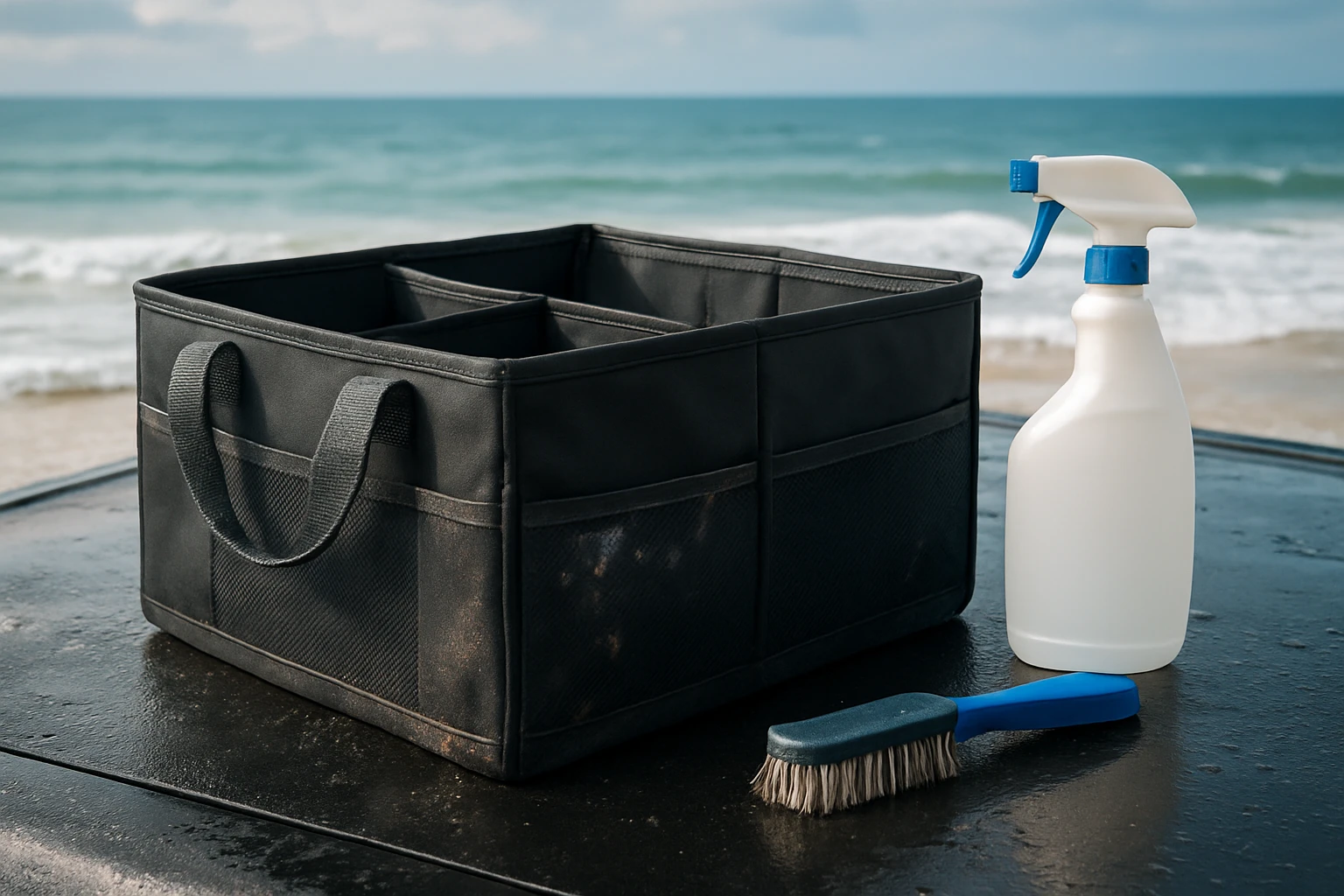
Regular cleaning removes salt deposits before they can initiate corrosion. Follow these steps after each exposure to sea spray or after transporting damp items:
- Wipe the organizer with a microfiber cloth dampened in a solution of warm water and mild dish soap.
- Rinse with a clean, damp cloth to remove soap residue.
- Dry thoroughly using a low‑heat setting on a portable hair dryer or by leaving the trunk open on a sunny day.
After cleaning, apply a thin layer of a rust‑inhibiting spray such as a silicone‑based protectant on metal brackets. For plastic panels, a UV‑resistant clear coat can prevent brittleness.
Rust‑Proofing Techniques for Metal Components
When metal brackets show early signs of oxidation, more intensive rust‑proofing is required. Two effective methods are:
- Electroplating or zinc coating—creates a sacrificial layer that corrodes in place of the underlying steel. This is typically performed by professionals, but portable zinc‑rich spray paints can emulate the effect for DIY repairs.
- Rust‑converting primers—chemically transform iron oxide into a stable compound, then seal with a marine‑grade paint. This method is ideal for brackets that cannot be removed easily.
Both techniques should be followed by a clear marine‑grade topcoat to protect against future salt exposure.
Maintenance Routine for Coastal Use
Adopting a weekly maintenance schedule ensures long‑term durability:
- Monday: Visual inspection for salt residue or moisture buildup.
- Wednesday: Light cleaning with a damp cloth; reapply protective spray to metal contacts.
- Friday: Full wipe‑down, drying, and inspection of buckles and straps for corrosion.
During the off‑season, store the organizer in a dry, temperature‑controlled space and fold it flat to relieve stress on hinges.
Choosing the Right Organizer for Coastal Environments
Not all trunk organizers are created equal. The following comparison highlights critical attributes for salt‑rich locales.
| Feature | Gorilla Grip Collapsible Trunk Organizer | Typical Low‑Cost Cardboard Organizer |
|---|---|---|
| Material | Thick corrugated plastic panels with woven fabric; water‑resistant | Cardboard; absorbs moisture quickly |
| Weight Capacity | Up to 60 lb (third‑party tested) | 15‑20 lb |
| Anti‑Slip Features | Non‑skid feet and hook‑and‑loop straps | None |
| Water & Tear Resistance | Yes; corrugated panels and woven fabric | No; prone to tearing when wet |
| Price (USD) | $36.99 | ≈ $12.00 |
| Amazon Rating | 4.8/5.0 (1,287 reviews) | Varies, typically <4.0 |
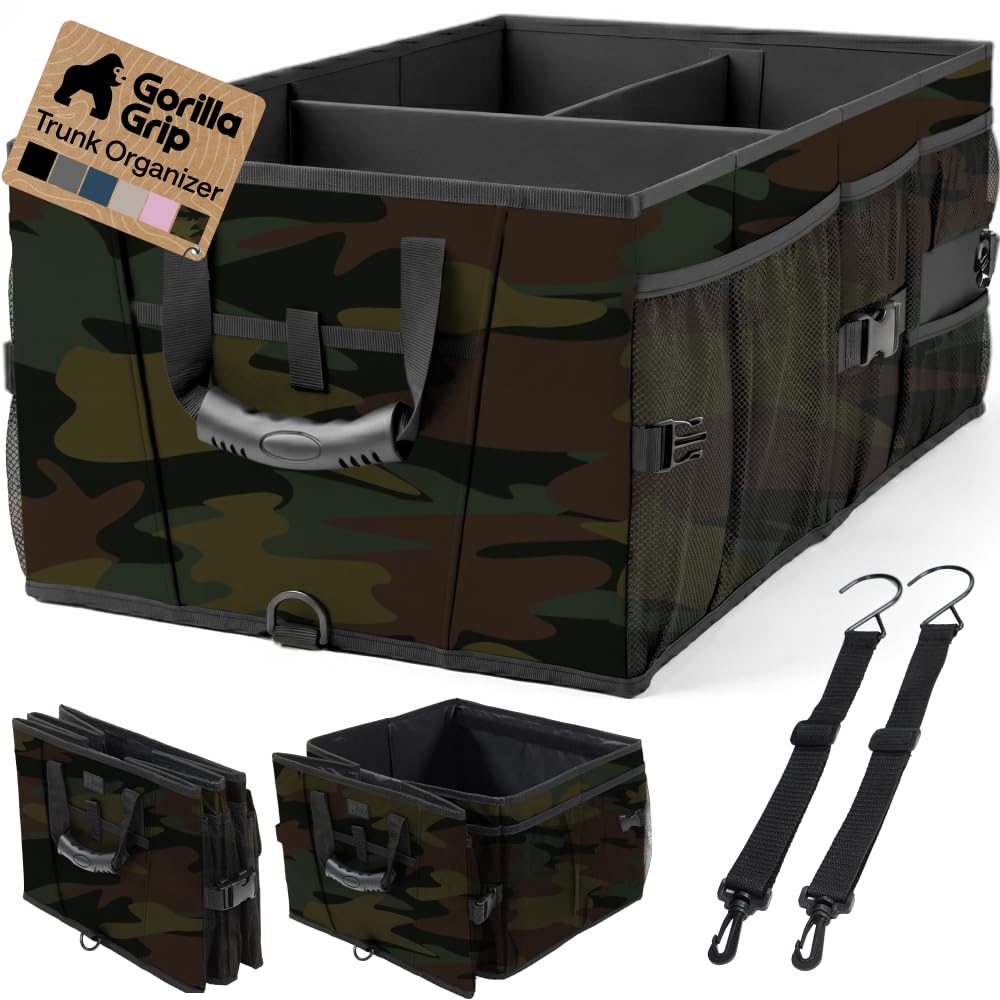
For coastal drivers, the Gorilla Grip Collapsible Trunk Organizer offers superior water resistance, higher load capacity, and robust anti‑slip features that reduce the likelihood of moisture accumulation on metal brackets.
Best Practices & Tips Beyond Products
- Store a small silica‑gel packet inside the organizer to absorb residual humidity.
- Avoid placing wet items directly on metal straps; use a waterproof liner.
- Periodically tighten adjustable cargo straps; loose straps can vibrate and create micro‑scratches on metal surfaces.
- When loading heavy equipment, distribute weight evenly to prevent stress on a single bracket.
- Consider applying a marine‑grade rubberized coating to the underside of the organizer for added slip resistance on wet surfaces.
Frequently Asked Questions
- Can I use regular car wax on the plastic panels? Yes, a silicone‑based car wax can add a protective sheen without affecting the material’s flexibility.
- How often should I reapply a rust‑inhibiting spray? For coastal exposure, reapply every two months or after heavy rain events.
- Is it safe to wash the organizer in a pressure washer? It is safe for the plastic panels, but high pressure may dislodge buckles or damage the woven fabric; use a gentle setting.
- Will folding the organizer cause metal fatigue? The folding mechanism primarily involves plastic buckles; metal brackets are not stressed by folding, so fatigue is minimal.
- Can I use the organizer for refrigerated items? Absolutely; the water‑resistant panels protect against condensation, but ensure the interior is sealed to prevent frost buildup.
Conclusion
Coastal drivers can preserve the functionality and appearance of their trunk organizers by understanding saltwater corrosion, performing regular cleaning, applying appropriate rust‑proofing treatments, and selecting products designed for moisture resistance. By following the maintenance schedule and best‑practice tips outlined in this guide, owners will experience fewer repairs, longer product life, and a cleaner, safer cargo area.
Products Featured in This Guide
Gorilla Grip Collapsible Trunk Organizer
Price: $36.99
Rating: 4.8/5.0 (1,287 reviews)
Why featured: Its thick corrugated plastic panels, water‑resistant woven fabric, and high load capacity make it uniquely suited for salt‑exposed environments, while the non‑skid feet and adjustable straps help keep the organizer stable and protected from moisture.