The Ultimate Guide to 3D-Printed Modular Parts for Trunk Organizers: Design, Print, and Assembly
Introduction
Organizing a vehicle trunk has become a critical aspect of modern mobility, especially for families and professionals who transport diverse cargo. This guide explores the emerging field of 3D‑printed modular components that can enhance or replace traditional trunk organizers. Readers will learn foundational concepts, material selection, design methodologies, and step‑by‑step assembly procedures. In addition, the guide presents three highly rated commercial organizers that illustrate best‑in‑class features and provide a benchmark for custom solutions.
Background and Context
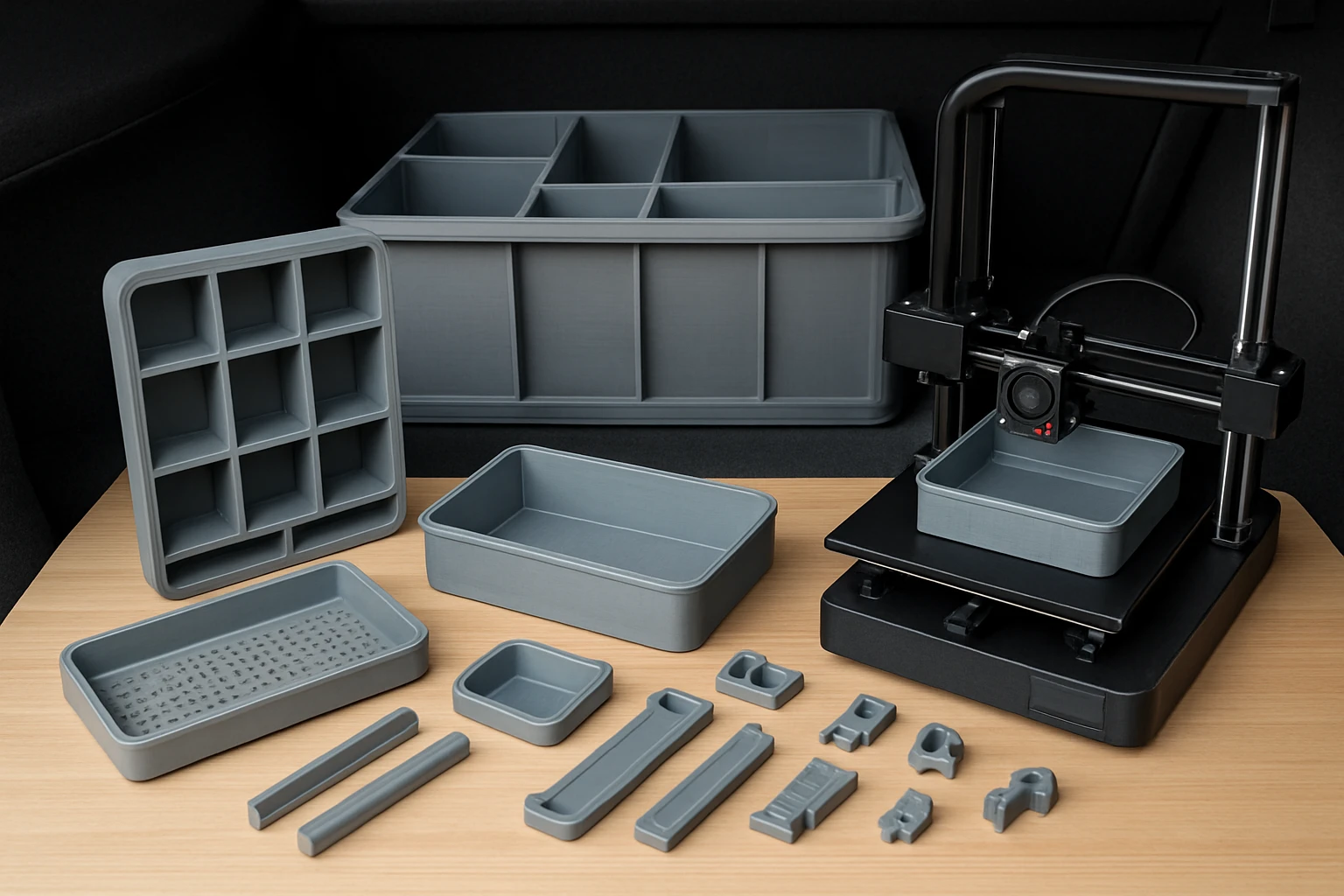
Traditional trunk organizers are manufactured from fabrics such as 600D Oxford polyester, reinforced with plastic frames or metal brackets. While these products are durable, they lack the flexibility to adapt to unique cargo shapes or evolving storage needs. Additive manufacturing, commonly known as 3D printing, offers a pathway to create lightweight, customizable, and interchangeable parts that can be printed on demand. The technology enables designers to iterate rapidly, incorporate lattice structures for weight reduction, and embed mounting features directly into the printed geometry.
Three core concepts underpin successful 3D‑printed modular systems: material suitability, structural integrity, and modular interlocking. Material suitability ensures that the printed part can withstand temperature fluctuations, moisture, and repeated loading. Structural integrity addresses load‑bearing capacity and resistance to sagging, a common complaint with fabric‑based organizers. Modular interlocking defines how individual components connect to form larger configurations without the need for additional hardware.
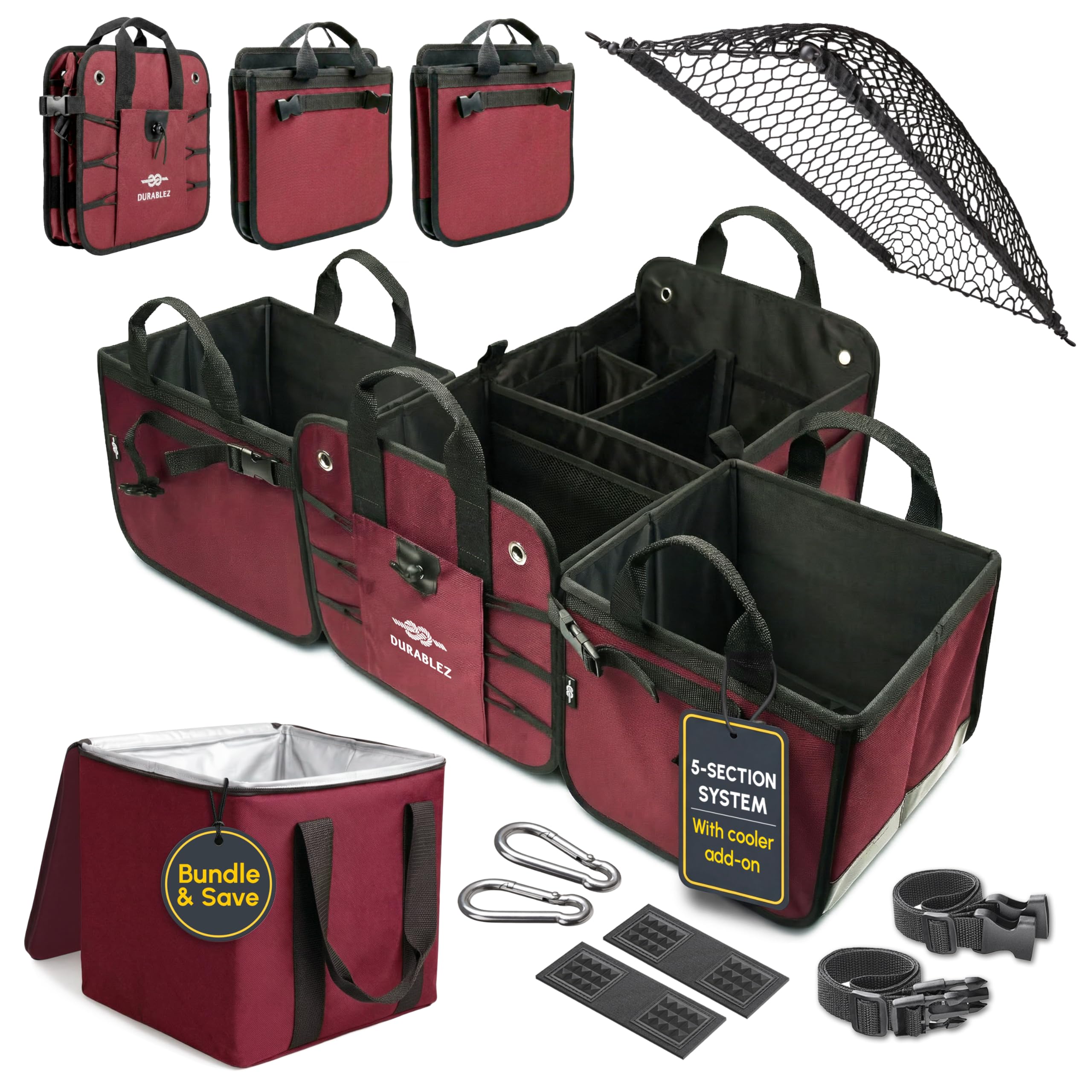
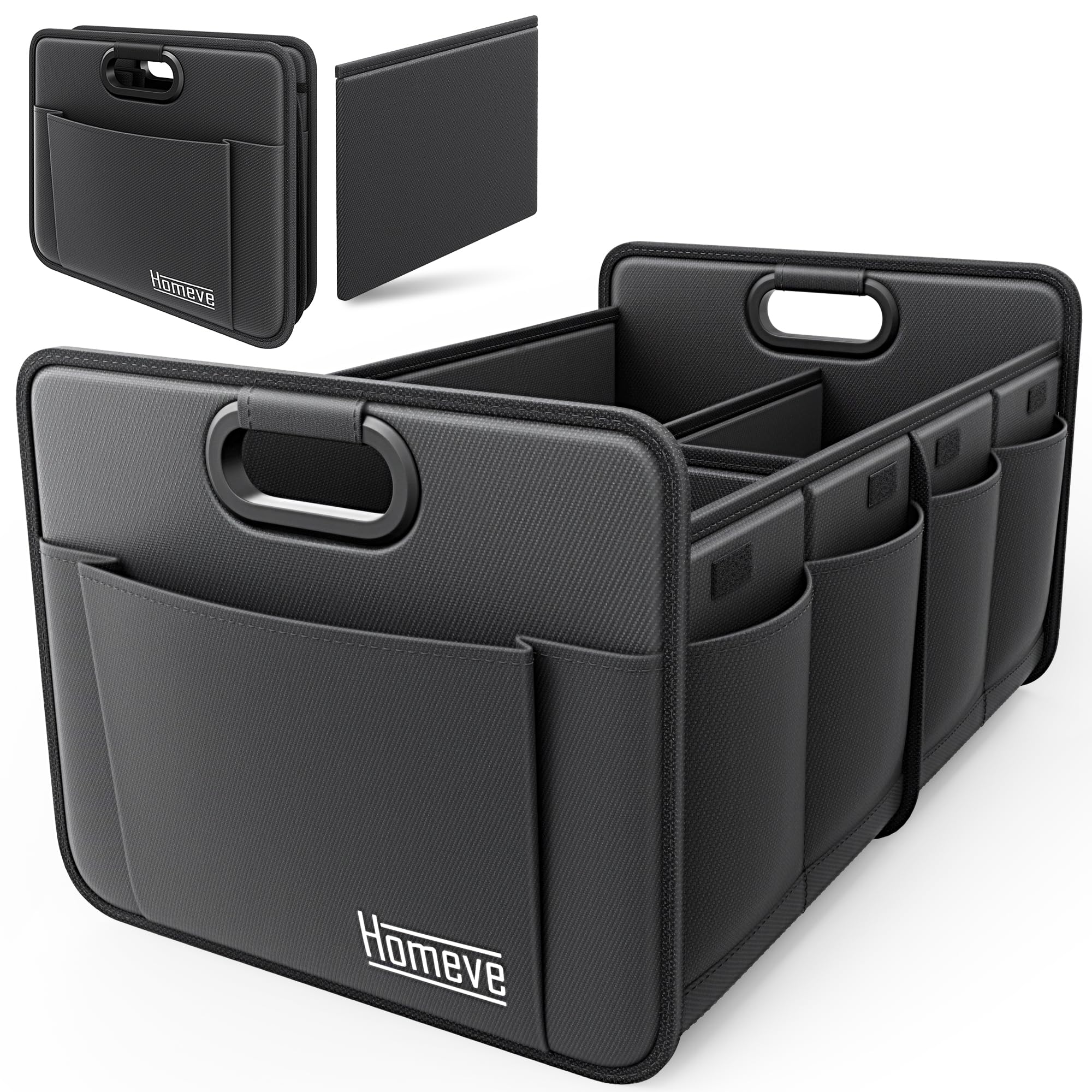
By mastering these concepts, users can create bespoke organizers that complement or replace commercial products such as the Homeve Collapsible Car Trunk Organizer, the Fortem Foldable Car Trunk Organizer, and the Durablez 5-Section Trunk Organizer. Each of these products demonstrates different approaches to modularity, load capacity, and user convenience.
Design Considerations for 3D‑Printed Modular Parts
When designing a modular trunk organizer, the first step is to define the target vehicle dimensions and typical cargo profiles. Measure the trunk width, depth, and height, then allocate a grid that accommodates grocery bags, tool kits, and emergency supplies. A common strategy is to design a series of rectangular modules that can be stacked or arranged in T, L, or Z configurations, mirroring the flexibility offered by the Durablez 5‑Section system.
Next, incorporate reinforcement features such as ribs, gussets, and filleted corners to improve load distribution. The Homeve organizer achieves anti‑sag performance through 3 mm thickened support panels; a similar effect can be replicated by increasing wall thickness in critical zones of the printed part. Use parametric CAD tools to generate variants quickly, allowing you to test different rib spacings without manual re‑modeling.
Interlocking mechanisms are essential for a true modular experience. Design male‑female snap fits, dovetail joints, or magnetic inserts that enable users to combine modules without tools. The Fortem organizer demonstrates the value of non‑slip strips and adjustable straps; magnetic connectors can provide comparable stability while reducing the need for external hardware.
Finally, consider the end‑user assembly process. Aim for tool‑free assembly within ten seconds, as highlighted in the Homeve product description. Provide clear visual guides or printed QR codes that link to assembly videos, ensuring that even novice users can achieve a secure configuration.
Material Selection for 3D‑Printed Trunk Organizer Parts
Material choice directly influences durability, weight, and environmental resistance. For load‑bearing components, reinforced nylon (PA12) infused with carbon fiber offers high tensile strength and low moisture absorption. This material can support weights comparable to the 88 lb (40 kg) capacity of the Homeve organizer while remaining lightweight.
For exterior panels that require water resistance, consider PETG or coated PLA. PETG provides a natural barrier against moisture, which is beneficial for items stored in rainy climates. The Durablez organizer utilizes 1680D Oxford polyester for water resistance; PETG can emulate this property in a printed part.
When printing flexible accessories such as straps or padding, thermoplastic elastomer (TPE) filaments deliver stretchability and grip. TPE can replace the non‑slip strips found on the Fortem model, providing a seamless integration between rigid modules and flexible anchoring points.
Regardless of material, always verify printer settings for optimal layer adhesion, especially when using high‑temperature filaments. A nozzle temperature of 260 °C and a heated bed at 80 °C are typical for carbon‑fiber‑reinforced nylon, ensuring consistent part strength.
Modular Design Strategies with Product Integration
To illustrate practical implementation, three commercial organizers are examined for features that can be translated into 3D‑printed modules.
- Homeve Collapsible Car Trunk Organizer: Its 19.5‑gallon capacity and three adjustable compartments provide a template for modular volume scaling. Replicate the adjustable dividers by designing printable sliding tracks that lock into place.
- Fortem Foldable Car Trunk Organizer: The non‑slip bottom and adjustable straps inspire the inclusion of built‑in TPE strips and snap‑on strap loops. Print integrated hook loops that align with existing vehicle anchor points.
- Durablez 5‑Section Trunk Organizer: The true modular design allowing T, L, Z, or cube configurations serves as a blueprint for interlocking geometry. Implement a universal joint system that permits rotational assembly without compromising rigidity.
By extracting these design cues, a custom 3D‑printed system can achieve comparable or superior performance while offering personalization options such as color, branding, or additional tool pockets.
Assembly Techniques and Post‑Processing
After printing, each module requires minimal post‑processing to ensure a smooth fit. Remove support structures using pliers, then sand the contact surfaces with 120‑grit sandpaper to eliminate rough edges. Apply a thin coat of UV‑curable resin to improve water resistance on exterior panels, mirroring the waterproof Oxford cloth used by Homeve.
For interlocking joints, test the snap fit by gently pressing modules together. If resistance is excessive, file the mating surfaces incrementally until a secure yet tactile connection is achieved. Use a digital torque wrench to verify that any threaded fasteners do not exceed 2 Nm, preventing damage to printed threads.
Finally, install the assembled system in the vehicle. Position the base module against the trunk floor, engage the non‑slip TPE strips, and secure any straps to existing anchor points. Adjust the configuration to accommodate larger items, such as a cooler or camping gear, by adding or removing modules as needed.
Comparison and Selection Guide
| Feature | Homeve Collapsible | Fortem Foldable | Durablez 5‑Section |
|---|---|---|---|
| Capacity | 19.5 gal (74 L) – holds 88 lb | 50 L – reinforced base plates | Modular up to 5 sections – customizable volume |
| Material | 600D Oxford polyester, waterproof | 600D Oxford, non‑slip bottom | 1680D Oxford polyester, stainless steel carabiners |
| Modularity | Three adjustable compartments + 12 pockets | Up to 3 compartments, interlocking buckles | True modular design – T, L, Z, cube configurations |
| Price | $19.98 | $27.99 | $99.89 |
| Rating | 4.7/5 (17,042 reviews) | 4.7/5 (50,773 reviews) | 4.6/5 (1,916 reviews) |
For users seeking an affordable entry point, the Homeve organizer offers robust capacity and anti‑sag performance at a low price. Professionals requiring secure anchoring and a sleek aesthetic may prefer the Fortem model, which includes non‑slip strips and interlocking capabilities. The Durablez system is ideal for users who demand extensive configurability and premium materials, albeit at a higher cost.
Best Practices & Tips
- Start with a detailed inventory of items you transport most frequently; this informs module dimensions.
- Print test coupons of interlocking features before committing to full‑size modules to validate tolerances.
- Utilize carbon‑fiber‑reinforced filaments for load‑bearing frames to increase stiffness without adding weight.
- Incorporate water‑resistant coatings on exterior surfaces to protect against spills and humidity.
- Label each module with QR codes that link to printable assembly instructions, reducing user error.
- Periodically inspect printed joints for wear, especially if the organizer is frequently reconfigured.
- Combine printed modules with existing commercial organizers to create hybrid systems that leverage the strengths of both approaches.
Frequently Asked Questions
1. Can 3D‑printed organizers support the same weight as fabric‑based models?
Yes, when printed with high‑strength materials such as carbon‑fiber‑reinforced nylon and designed with appropriate ribbing, printed modules can support loads equal to or greater than the 88 lb rating of the Homeve organizer.
2. How do I prevent printed parts from warping in a hot car interior?
Use a material with low thermal expansion, such as PETG, and incorporate internal ribs that distribute heat evenly. Additionally, store the organizer in a shaded area when not in use.
3. Is it necessary to post‑process every printed module?
p>Post‑processing improves fit and durability; sanding and a thin resin coat are recommended for exterior panels, while internal structural parts may be left as printed.4. Can I integrate existing organizer accessories, such as the non‑slip strips from Fortem?
p>Absolutely; design printable attachment points that accept TPE strips or adhesive-backed non‑slip pads, allowing you to combine commercial accessories with custom modules.5. What printer settings yield the best strength for load‑bearing components?
p>Print at 100 % infill with a layer height of 0.2 mm, use a nozzle temperature appropriate for the filament (e.g., 260 °C for carbon‑fiber nylon), and enable a heated bed.6. How many modules should I print for a typical midsize SUV?
p>A configuration of three to four modules, each measuring approximately 12 in × 8 in × 6 in, provides sufficient capacity for groceries, tools, and emergency kits while maintaining easy access.7. Are there any safety concerns with 3D‑printed parts in a moving vehicle?
p>Ensure that all interlocking joints are secure and that no sharp edges remain after sanding. Regularly check for cracks or deformation, especially after impacts.Conclusion
Designing, printing, and assembling modular trunk organizer parts empowers vehicle owners to tailor storage solutions to their precise needs. By understanding material properties, incorporating robust interlocking geometry, and learning from proven commercial products such as the Homeve, Fortem, and Durablez organizers, users can create durable, water‑resistant, and highly configurable systems. The combination of additive manufacturing flexibility and strategic product benchmarking delivers a powerful toolkit for achieving organized, efficient, and aesthetically pleasing vehicle interiors.
Products Featured in This Guide
Homeve Collapsible Car Trunk Organizer
Price: $19.98 | Rating: 4.7/5 (17,042 reviews)
Featured for its anti‑sag heavy‑duty build, 19.5 gal capacity, and tool‑free folding mechanism, which serve as a benchmark for printable load‑bearing modules.
Fortem Foldable Car Trunk Organizer
Price: $27.99 | Rating: 4.7/5 (50,773 reviews)
Featured for its non‑slip bottom, adjustable straps, and interlocking buckles, providing valuable insights for integrating friction‑reducing features into printed designs.
Durablez 5-Section Trunk Organizer
Price: $99.89 | Rating: 4.6/5 (1,916 reviews)
Featured for its true modular architecture, allowing T, L, Z, and cube configurations, which directly inspires the design of interchangeable 3D‑printed modules.