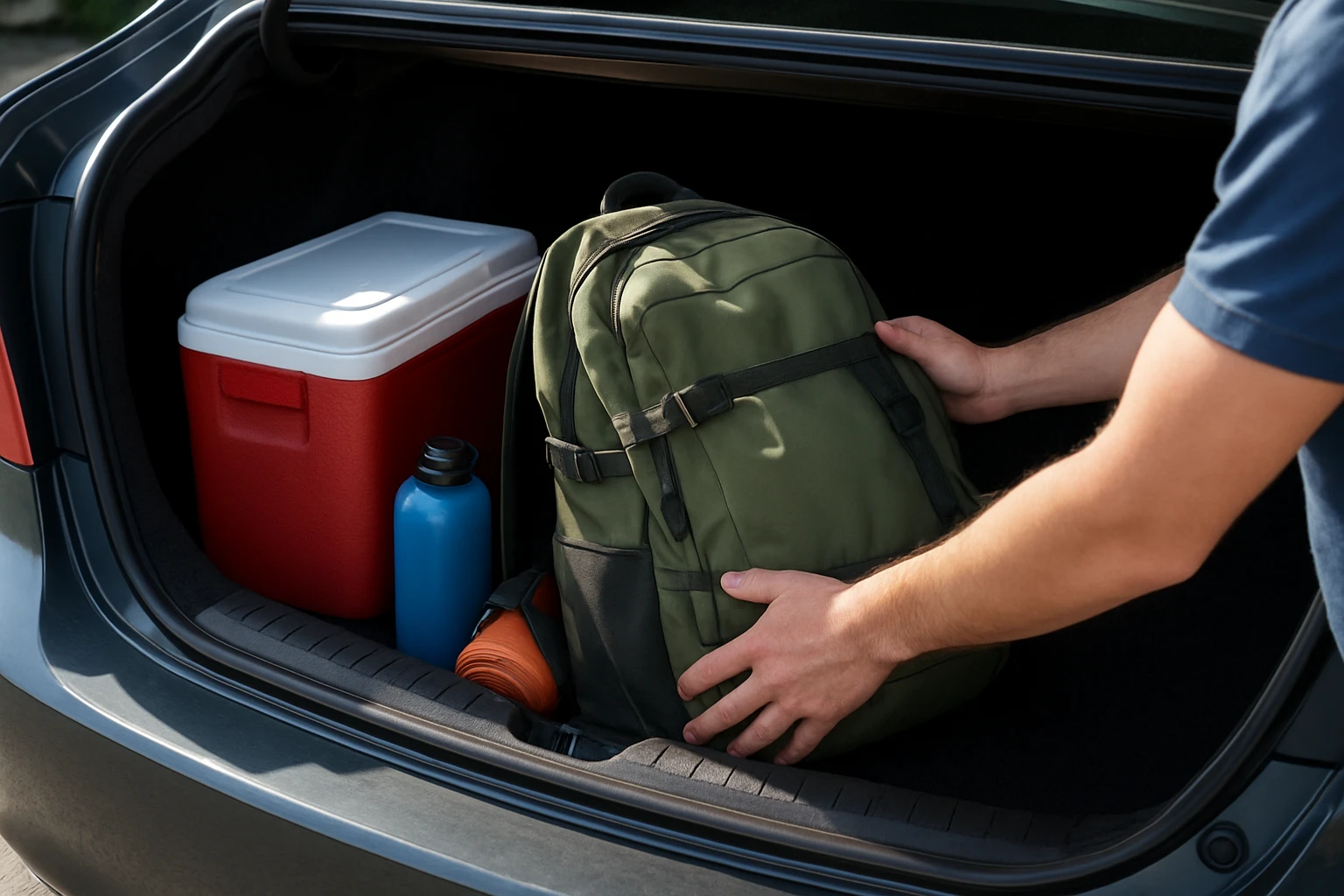
Introduction
During the summer months the interior of a vehicle can reach temperatures that exceed the safe limits for many types of equipment. Excessive heat can degrade electronics, melt plastic components, and cause chemical changes in batteries and lenses. This guide explains how to protect gear stored in a car trunk by employing practical organization, insulation, and parking strategies. Readers will acquire a clear, actionable plan that reduces the risk of heat‑related damage while maintaining easy access to their belongings.
What You'll Need
- A sturdy, collapsible trunk organizer to separate items and provide tie‑down points.
- Reusable insulated box liners for temperature‑sensitive packages.
- Reflective sunshade or trunk cover to limit solar heat gain.
- Adjustable tie‑down straps, if not included with the organizer.
- Basic cleaning supplies such as a microfiber cloth and mild cleaner.
Step 1: Clear and Clean the Trunk Space
The first action is to remove all loose items, debris, and old packaging from the trunk. A clean surface prevents unwanted heat absorption and allows subsequent tools to function correctly. Use a microfiber cloth dampened with a mild cleaner to wipe down plastic panels, metal brackets, and the floor mat. After cleaning, allow the interior to dry completely before installing any accessories.
Step 2: Install a Trunk Organizer
Organizing items into separate compartments reduces the amount of empty space where hot air can circulate. The Drive Auto Collapsible Trunk Organizer offers a durable, waterproof base and adjustable tie‑down straps that keep the organizer anchored during travel.
Key features that make this product suitable include its collapsible design, which allows the user to resize the organizer for either a full‑size trunk or a smaller passenger‑seat configuration. The reinforced base plates prevent the unit from tipping, while the waterproof lining protects items from moisture that can accumulate on hot days. At a price of $20.00 and a rating of 4.7 out of 5 stars from 72,962 reviews, it provides excellent value for the protection it offers.
To install, unfold the organizer and position it against the rear wall of the trunk. Thread the tie‑down straps through the designated slots on the organizer and secure them to the anchor points or the back of the front seat. Adjust the straps until the organizer feels firmly held, ensuring that it will not shift when the vehicle accelerates or brakes.
Once secured, distribute items into the organizer's multiple compartments according to size and heat sensitivity. Place heavy or frequently accessed items in lower compartments to maintain stability, and reserve the upper compartments for items that benefit from additional airflow.
Step 3: Use Insulated Box Liners for Sensitive Items
Temperature‑sensitive gear such as camera batteries, electronic accessories, and perishable supplies benefit from an additional layer of thermal protection. The Smilco Insulated Box Liners provide a reusable, metalized barrier that reflects heat and reduces conduction.
Each liner measures 15 in × 11 in, fits common insulated boxes, and folds flat for storage when not in use. The aluminum film and foam paper construction reflect up to 97 % of radiant heat, while the multi‑layer design resists conduction and convection. Priced at $24.56 for a pack of twenty and rated 4.5 out of 5 stars from 547 reviews, the liners are an economical solution for protecting multiple items simultaneously.
Place a liner inside a compartment of the trunk organizer, then insert the heat‑sensitive item into the liner. Seal the liner with its Velcro closure to create a tight envelope that minimizes temperature fluctuations. For larger items such as power tools or camping equipment, use two liners stacked together for added insulation.
Because the liners are reusable, they can be removed, cleaned, and redeployed for future trips, making them a sustainable choice for ongoing heat‑protection needs.
Step 4: Apply a Reflective Sunshade or Trunk Cover
Even with an organizer and insulated liners, direct sunlight can raise trunk temperatures dramatically. A reflective sunshade placed over the trunk opening reduces solar gain by reflecting a large portion of incident radiation.
Choose a sunshade made from a high‑reflectivity material such as Mylar or aluminized fabric. Position the shade across the trunk opening and secure it with the built‑in elastic straps or suction cups. When the vehicle is parked, the shade should remain taut to prevent wind from dislodging it.
In addition to the shade, consider a custom‑fit trunk cover that lines the interior walls with a reflective layer. This secondary barrier further limits heat transfer to stored items, especially during prolonged parking periods.
Combined with the organizer and insulated liners, the sunshade creates a multi‑layer defense that significantly lowers interior temperatures, often by as much as 20 °F (11 °C) in direct sun.
Step 5: Park Strategically and Use Ventilation
Vehicle placement influences trunk temperature as much as any accessory. Whenever possible, park in shaded areas, under trees, or in covered parking structures to minimize exposure to direct sunlight.
If shade is unavailable, angle the vehicle so that the trunk faces away from the sun during the hottest part of the day. Opening the rear hatch for a few minutes before loading items allows hot air to escape, reducing the initial temperature baseline.
When traveling, engage the vehicle's ventilation system to direct cool air toward the rear cargo area. Some modern cars feature rear‑air vents that can be opened independently; using them helps maintain a more moderate temperature inside the trunk.
By combining strategic parking with the physical protections described in earlier steps, the overall risk of heat damage is dramatically reduced.
Tips & Pro Tips
- Label each compartment of the organizer to quickly locate items without rummaging, which can disturb the thermal barrier.
- Rotate perishable goods every two days to ensure freshness; even insulated liners cannot prevent spoilage indefinitely.
- Apply a reflective window tint to the rear windows if local regulations permit; this reduces overall cabin heat.
- Inspect tie‑down straps regularly for wear and replace them if fraying occurs to maintain a secure fit.
- Consider a portable battery‑powered fan that can circulate air within the trunk when the vehicle is stationary.
Troubleshooting
Problem: The organizer shifts during sudden stops.
Solution: Re‑tighten the tie‑down straps and verify that they are anchored to solid points such as the seat‑back anchors or the trunk floor hooks. If the straps are stretched, replace them with new ones of equal width.
Problem: Insulated liners do not stay closed.
Solution: Ensure the Velcro strips are clean and free of debris. Press the closure firmly along the entire edge to achieve a secure seal. For extra security, wrap a thin elastic band around the liner.
Conclusion
Protecting gear from heat damage in a car trunk requires a systematic approach that combines organization, insulation, reflective barriers, and smart parking habits. By following the steps outlined above, one can safeguard electronics, batteries, and perishable items from the extreme temperatures typical of summer driving. The recommended tools—namely the Drive Auto Collapsible Trunk Organizer and Smilco Insulated Box Liners—enhance the effectiveness of each protective layer while remaining affordable and easy to use. Implement these practices consistently, and the longevity and performance of stored gear will improve markedly.
Products Mentioned in This Guide
Frequently Asked Questions
How can I protect electronics stored in my car trunk from summer heat?
Place them in reusable insulated box liners and keep them under a reflective sunshade or trunk cover to limit temperature spikes.
What kind of trunk organizer is best for heat‑sensitive gear?
Use a sturdy, collapsible organizer with built‑in tie‑down points to keep items separated and off the metal floor, which reduces heat transfer.
Do reflective sunshades or trunk covers significantly lower interior temperatures?
Yes, they reflect solar radiation and can drop trunk temperatures by up to 20 °F, helping to preserve sensitive equipment.
How often should I clean the trunk to minimize heat absorption?
Clean the trunk before each season’s storage; removing debris and old packaging reduces heat‑absorbing surfaces.
Can insulated box liners prevent battery damage in hot weather?
Insulated liners provide a thermal barrier that slows heat buildup, protecting batteries from rapid temperature increases.