How to Set Up Your Trunk Organizer Ergonomically to Reduce Back Pain
Introduction
Back pain often originates from repetitive bending, lifting, and reaching for items stored in a vehicle trunk. By arranging a trunk organizer correctly, one can maintain a neutral spine, lower the risk of muscular strain, and improve overall driving comfort. This guide explains the ergonomic principles behind trunk organization, provides detailed step‑by‑step instructions, and recommends three highly rated products that simplify the process. Readers will learn how to assess space, select the appropriate organizer, install it securely, and distribute weight to protect the lower back during daily commutes or long trips.
What You’ll Need
- A high‑quality trunk organizer (see product recommendations below).
- Adjustable straps or buckles that come with the organizer.
- A measuring tape to verify trunk dimensions.
- Non‑slip rubber pads (optional for floor‑based organizers).
- A small screwdriver or Allen key if the organizer requires assembly.
Step 1: Measure Your Trunk and Identify Ergonomic Zones
Begin by measuring the length, width, and height of the trunk interior. Record these dimensions because they determine which organizer will fit without obstructing the rear seats or the vehicle’s rear‑view camera. Next, divide the trunk space into three ergonomic zones: the low zone (near the floor), the mid zone (at waist height), and the high zone (near the headrest). Items that are heavy or frequently accessed should be placed in the low or mid zones to avoid excessive bending. Light, infrequently used items may occupy the high zone, where they are out of the way but still reachable when the driver or passenger stands.
Step 2: Choose the Organizer That Matches Your Zone Strategy
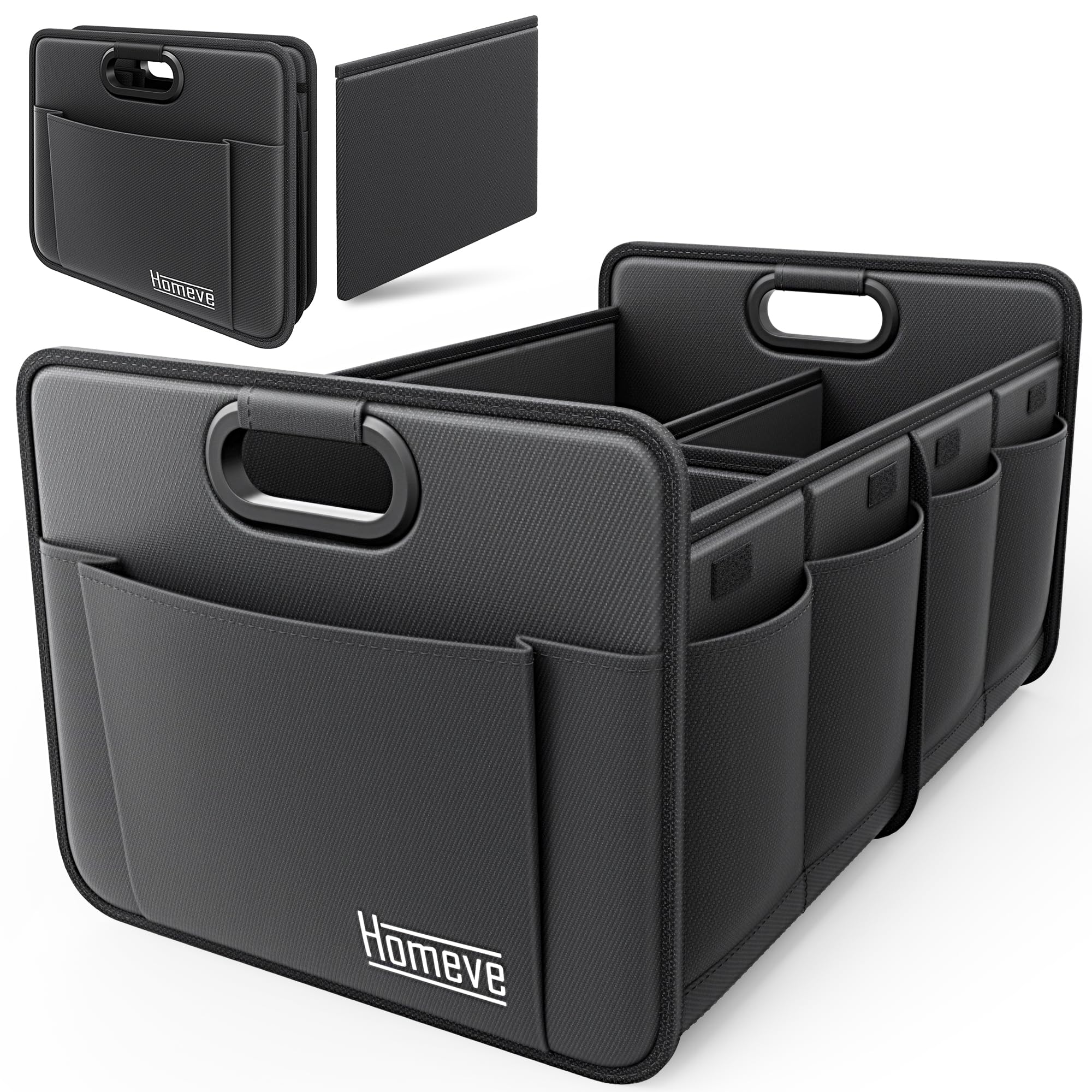
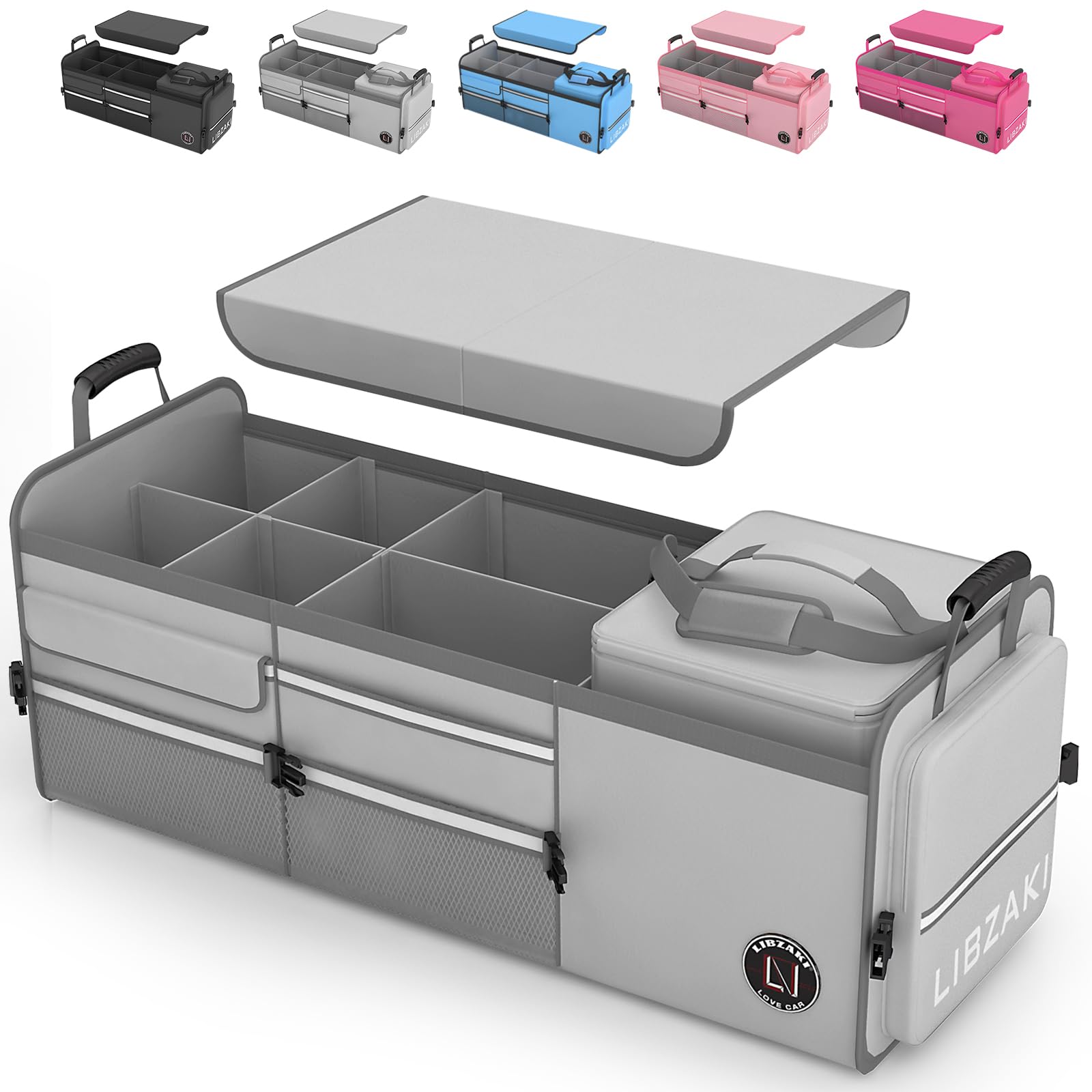
Three products meet different ergonomic needs. The AUCELI Hanging Car Trunk Organizer features a hanging design that frees the trunk floor for bulky items while keeping frequently used goods at eye level. Its four pockets and adjustable straps make it ideal for the mid and high zones. The LIBZAKI Oversize Trunk Organizer offers a massive 95‑liter capacity and a detachable cooler, perfect for the low zone when transporting groceries, camping supplies, or tools. Finally, the Homeve Collapsible Car Trunk Organizer provides reinforced panels that prevent sagging under heavy loads, making it suitable for users who need a sturdy floor‑based solution.
Step 3: Install the Organizer According to Its Design
For hanging models such as the AUCELI organizer, locate the rear‑seat headrest posts. Open the Velcro‑controlled lids, thread each of the three adjustable straps through the headrest hooks, and snap the buckles. Adjust the straps so that the organizer hangs at a comfortable waist height—typically 18 to 22 inches from the trunk floor. Verify that the organizer does not interfere with the seat belt mechanism.
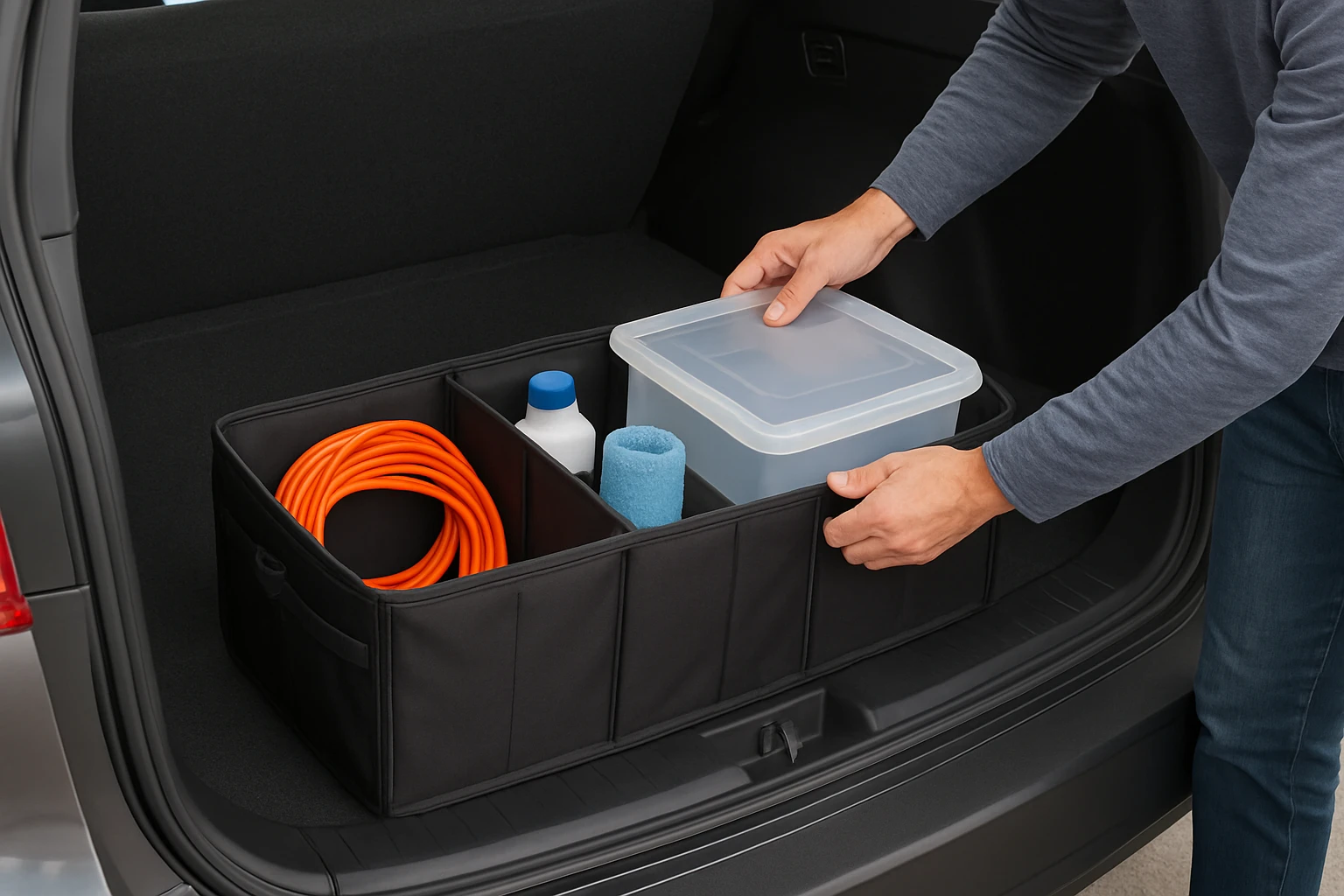
For floor‑based organizers like the LIBZAKI and Homeve models, unfold the unit fully and position it against the rear wall of the trunk. If the organizer includes non‑slip pads, place them beneath the base to prevent sliding during sudden stops. Secure any built‑in straps around the trunk lip or tie‑down points to keep the unit stable. The LIBZAKI organizer’s reflective strips should face outward for added safety, especially when the vehicle is parked in low‑light conditions.
Step 4: Distribute Weight Evenly to Protect Your Back
Place the heaviest items—such as a spare tire, tool kit, or bulk groceries—in the low zone, directly on the floor or inside the bottom compartment of the LIBZAKI organizer. This positioning lowers the center of gravity and reduces the torque on the lumbar spine when lifting. Medium‑weight items, like a small cooler or baby supplies, belong in the mid zone of the AUCELI hanging organizer, where they are reachable without bending.
Light items—maps, emergency kits, or spare charging cables—can be stored in the high zone pockets of any organizer. By keeping the weight balanced left‑to‑right, one avoids lateral strain that can occur when one side of the trunk is overloaded.
Step 5: Adjust Pocket Placement for Frequent Access
Identify the items you retrieve most often, such as a water bottle, sunglasses, or a first‑aid kit. Store these items in the front pockets of the organizer that face the driver’s side. The AUCELI model’s Velcro lids provide quick access while preventing spillage, and the Homeve organizer’s 12 outer pockets allow for rapid retrieval without removing the entire unit.
For items that require temperature control—like drinks on a hot day—use the detachable ice bag included with the LIBZAKI organizer. Place the ice bag in a side pocket near the driver’s seat, ensuring that it does not shift during travel.
Step 6: Secure Loose Items to Prevent Shifting
After loading, close all Velcro lids and zippered compartments. If the organizer includes additional straps or elastic loops, thread them around bulky objects to keep them from sliding. This practice eliminates sudden movements that could cause the driver to twist the torso, a common source of back pain.
Finally, perform a quick test drive. Pay attention to any rattling or shifting noises. If the organizer moves, tighten the straps or add extra non‑slip pads until the unit remains stationary.
Tips & Pro Tips
- Use a lumbar support cushion on the driver’s seat when transporting exceptionally heavy loads.
- Rotate heavy items between trips to avoid chronic unilateral loading.
- Clean the organizer regularly to prevent moisture buildup, which can add unnecessary weight.
- When using the LIBZAKI cooler, pre‑freeze the ice bag for at least four hours to maximize cooling duration.
- For families with children, label each pocket with color‑coded tags to speed up item location and reduce bending.
Troubleshooting
Problem: Organizer sags or collapses under load.
Solution: Switch to the Homeve Collapsible Car Trunk Organizer, which features 3 mm thickened support panels and a heavy‑duty build capable of holding up to 88 lb (40 kg). Ensure the panels are fully extended before loading.
Problem: Straps slip off the headrest.
Solution: Re‑adjust the AUCELI Hanging Car Trunk Organizer straps so that they are snug but not overtightened. Use the Velcro‑controlled lids to add friction and keep the organizer stable.
Conclusion
By measuring the trunk, selecting an organizer that fits ergonomic zones, installing it securely, and distributing weight wisely, one can significantly reduce the incidence of back pain associated with vehicle loading. The recommended products—AUCELI Hanging Car Trunk Organizer, LIBZAKI Oversize Trunk Organizer, and Homeve Collapsible Car Trunk Organizer—each address specific ergonomic challenges while offering durability, capacity, and ease of use. Implement the steps outlined in this guide, and enjoy a cleaner, safer, and more comfortable driving experience.
Products Mentioned in This Guide
Frequently Asked Questions
Why does a poorly organized trunk cause back pain?
Improper storage forces repeated bending and lifting, which strains the lower back and disrupts a neutral spine.
How do I measure my trunk to choose the right organizer?
Use a measuring tape to record the length, width, and depth of the cargo area, then compare those dimensions to the organizer’s specifications.
What ergonomic zones should I consider when placing items in the trunk?
Keep frequently used items within easy reach near the rear seat, store heavier objects low and centered, and leave a clear path for a neutral lifting posture.
Do I need non‑slip pads for a trunk organizer?
Non‑slip rubber pads are optional but help keep floor‑based organizers stable and prevent items from shifting during drives.
Can adjustable straps improve the safety of a trunk organizer?
Yes, tightening the straps secures the organizer to the trunk walls, reducing movement and keeping weight evenly distributed.