How to Set Up a Trunk Inventory System for Family Road Trips: The Ultimate Packing Checklist
Introduction
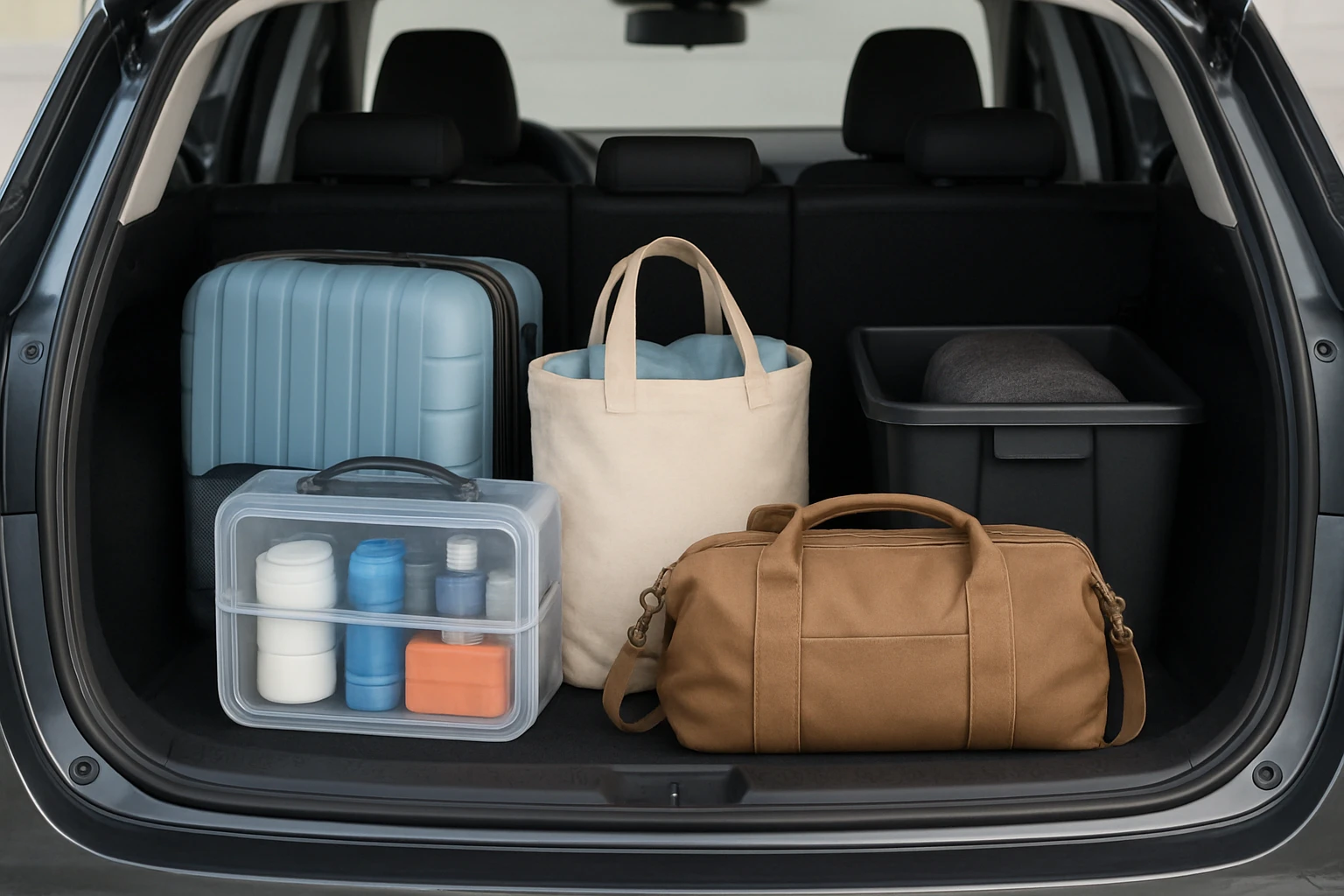
Planning a family road trip often begins with a chaotic search for snacks, toys, and emergency supplies hidden somewhere in the trunk. This guide teaches the reader how to transform that disordered space into a systematic inventory that saves time, reduces stress, and improves safety. By the end of the article, one will understand how to assess vehicle space, select the right organizer, configure compartments, and maintain the system for repeated journeys.
The value of a well‑organized trunk lies in the ability to locate items quickly, keep perishables at the proper temperature, and prevent shifting loads that could affect vehicle handling. The methods described are applicable to cars, SUVs, and small trucks, making the advice versatile for most families.
What You’ll Need
- Measuring tape or laser measure
- Permanent marker and masking tape for labeling
- Reusable storage bins or zip‑lock bags for small items
- Non‑slip pads (often included with organizers)
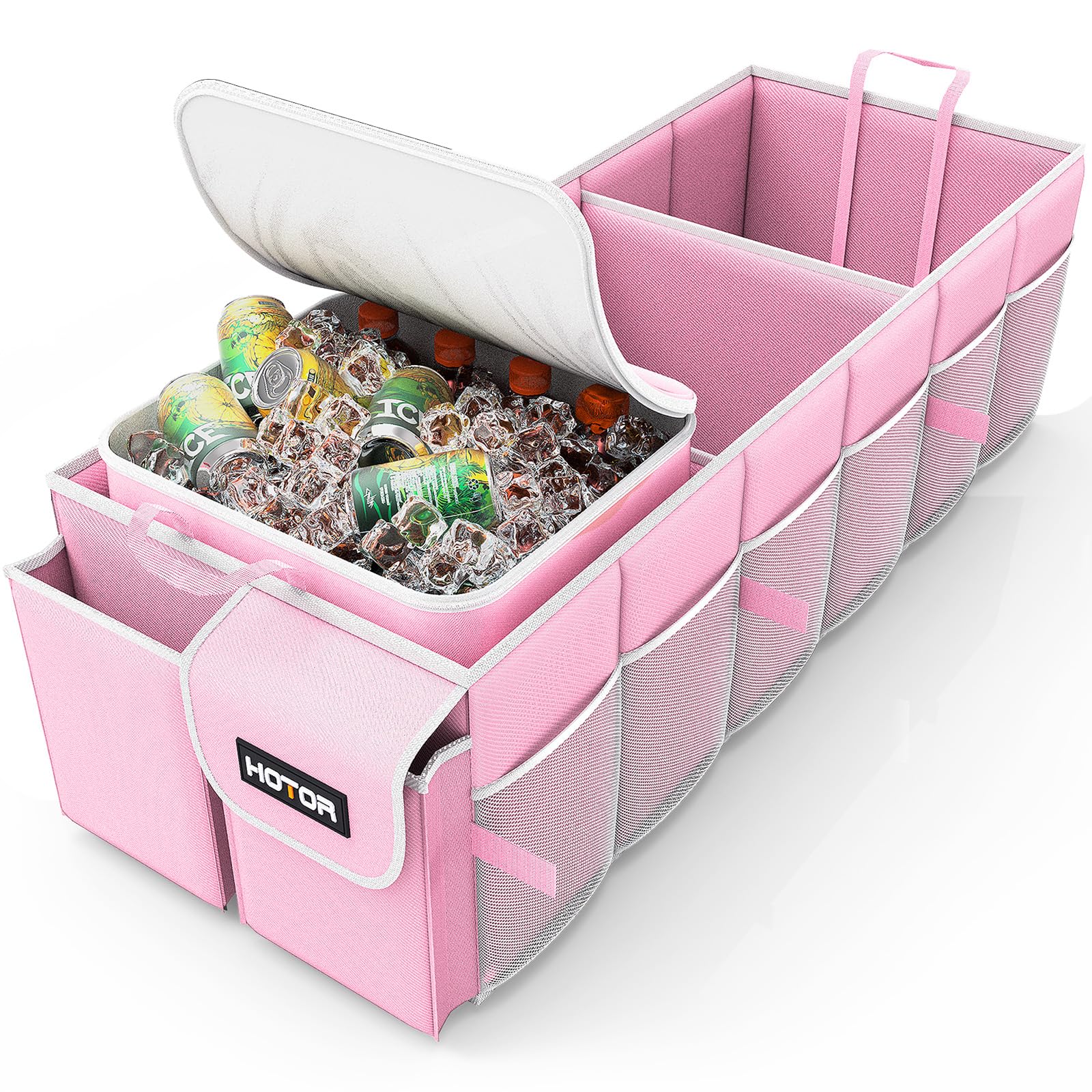
- HOTOR Pink Trunk Organizer – optional but highly recommended for its built‑in cooler
- HEYTRIP Large Trunk Organizer – optional for larger vehicles or greater compartment flexibility
Step 1: Assess Your Vehicle’s Trunk Space
Begin by measuring the length, width, and height of the trunk or cargo area. Record the dimensions in centimeters or inches; this data will guide the selection of an organizer that fits without obstructing rear‑seat access. Use a measuring tape to capture the maximum usable volume, then subtract the space occupied by spare tires or built‑in compartments.
Next, identify the typical load categories you transport: groceries, sports equipment, emergency kits, and entertainment items. Categorizing items early helps you decide how many compartments are necessary and whether a built‑in cooler is essential for keeping drinks cold on hot days.
Finally, note any irregularities such as wheel wells or protruding seat belts that could interfere with a rectangular organizer. This assessment prevents the need for later adjustments that could compromise stability.
Step 2: Choose the Appropriate Organizer
Based on the measurements, select a trunk organizer that maximizes storage while remaining easy to fold when not in use. Two products stand out for family travel:
- HOTOR Pink Trunk Organizer – priced at $42.99, this model offers 69 L of main storage plus a detachable 23 L cooler. It holds a 4.6‑star rating from 1,475 reviews, indicating strong customer satisfaction. The cooler is 100 % leak‑proof and insulated, making it ideal for picnics and long drives where beverages must stay chilled.
- HEYTRIP Large Trunk Organizer – priced at $59.99, this organizer provides a total capacity of 105 L and includes four removable dividers, allowing custom compartment layouts. It carries a 4.6‑star rating from 3,634 reviews and features non‑slip pads and two tie‑down straps for extra security on larger SUVs or vans.
The HOTOR model excels when a built‑in cooler is a priority and the vehicle is a compact car or mid‑size SUV. Its adjustable Velcro side strips enable four size configurations, which is useful for drivers who need to fold the unit flat after unloading.
Conversely, the HEYTRIP organizer shines in larger cargo areas where modular dividers and a higher overall volume are required. The 2.5 mm PE board interior resists water damage, making it suitable for trips that involve wet gear such as fishing equipment or camping supplies.
Choose the product that aligns with your vehicle size and the type of items you most frequently transport. Both options include sturdy handles and reinforced stitching, ensuring durability over many trips.
Step 3: Configure Compartments for Efficient Access
Once the organizer is placed in the trunk, arrange its compartments according to the categories identified in Step 1. Position the cooler bag in the most accessible location—typically the frontmost compartment—so that drinks can be retrieved without moving other items.
For the HOTOR organizer, use the three large compartments for bulk items such as grocery bags, sports balls, and a first‑aid kit. The eight additional pockets are perfect for small toys, charging cables, and travel documents. The elastic mesh pockets provide visibility, reducing the need to rummage through the trunk.
With the HEYTRIP system, adjust the four removable dividers to create custom sections. Allocate one section for perishables, another for emergency tools, a third for entertainment (books, tablets), and the final one for bulky items like a fold‑out stroller. The non‑slip pads on the bottom prevent the organizer from sliding during sudden stops.
Label each compartment using masking tape and a permanent marker. Clear labels such as "Cold Drinks," "First‑Aid," and "Kids' Toys" create a visual map that all family members can follow, speeding up loading and unloading.
Step 4: Pack Essentials Systematically
Begin loading the heaviest items at the bottom of each compartment to lower the center of gravity, which improves vehicle handling. Place grocery bags and sports equipment in the lower sections of the HOTOR organizer or the bottom dividers of the HEYTRIP model.
Next, fill the cooler bag with beverages, sandwiches, and perishable snacks. Because the cooler is insulated, it can maintain temperature for several hours, reducing waste and the need for additional ice packs.
Arrange medium‑weight items such as a portable charger, travel pillows, and a compact emergency kit in the middle layers. Use the elastic mesh pockets for items that benefit from quick visibility, like a flashlight or a small notebook.
Finally, place lightweight, frequently used items—such as sunglasses, a reusable water bottle, and a map—in the topmost pockets. This hierarchy ensures that the most needed items are within arm's reach without disturbing the rest of the load.
Step 5: Secure the Load for Safe Travel
After everything is placed, secure the organizer to the vehicle floor. The HOTOR model includes adjustable Velcro strips that can be tightened against the trunk walls, while the HEYTRIP organizer offers two tie‑down straps that hook onto anchor points in the cargo area. Fastening these components prevents the organizer from shifting during cornering or braking.
Check that the cooler bag is sealed tightly to avoid spills. The leak‑proof construction of both organizers ensures that any condensation remains contained, protecting other items from moisture.
Perform a quick shake test: gently push the organizer forward and backward. If it moves, tighten the straps or Velcro until it feels firmly anchored. A stable organizer reduces the risk of items becoming projectiles in the event of a sudden stop.
Finally, verify that the rear‑seat access remains unobstructed. Families often need to reach into the trunk from the back seat, especially when traveling with children. Ensure that the organizer does not block the hatch or the seat belt latch.
Tips & Pro Tips
- Use color‑coded zip‑lock bags for categories such as "snacks" (green) and "medical supplies" (red) to further streamline retrieval.
- Rotate the cooler bag every two hours on long trips to maintain an even temperature distribution.
- Apply a silicone spray to the organizer’s handles to prevent them from becoming slippery when wet.
- Keep a spare set of Velcro strips in the trunk; they wear out over time and can be replaced without purchasing a new organizer.
- Schedule a quarterly inspection of the organizer’s stitching and seams to catch any wear before it compromises load integrity.
Troubleshooting
Problem: The organizer slides despite tie‑down straps.
Solution: Place non‑slip rubber pads (often supplied with the HEYTRIP model) beneath the organizer’s base. If the pads are missing, a thin piece of carpet or a rubber mat can serve as a substitute.
Problem: The cooler bag leaks after a rainy day.
Solution: Ensure the cooler’s zipper is fully closed and the seal is clean. The HOTOR cooler is designed to be 100 % leak‑proof; a leak usually indicates debris obstructing the seal.
Problem: Items become difficult to see inside deep compartments.
Solution: Install a small LED strip light powered by a USB car charger. Position the light at the organizer’s interior edge to illuminate the contents without draining the vehicle battery.
Conclusion
By following the steps outlined above, one can convert a cluttered trunk into a reliable inventory system that enhances convenience, safety, and enjoyment on family road trips. The systematic approach—from measuring space, selecting the appropriate organizer, configuring compartments, packing methodically, and securing the load—ensures that each journey starts with confidence.
Implementing these practices reduces the time spent searching for items, protects perishables, and minimizes the risk of shifting cargo. Families are encouraged to adopt the system, refine it after each trip, and share feedback with fellow travelers.
Products Mentioned in This Guide
Frequently Asked Questions
How do I determine the right size of storage bins for my car trunk?
Measure the trunk dimensions with a tape or laser measure, then choose bins that fit within those measurements while leaving room for a non‑slip pad.
What are the best ways to label and organize items in the trunk?
Use a permanent marker and masking tape or printable labels on bins and zip‑lock bags to group items by category (snacks, toys, emergency gear).
How can I keep perishable foods safe and at proper temperature while traveling?
Place insulated cooler bags with ice packs in a dedicated compartment and keep them away from direct sunlight in the trunk.
What safety precautions should I take to prevent items from shifting during driving?
Secure bins with non‑slip pads, strap larger items, and distribute weight evenly to maintain vehicle handling.
How often should I review and update my trunk inventory checklist?
Inspect the inventory after each trip and adjust the checklist seasonally or when new items are added.
