Introduction
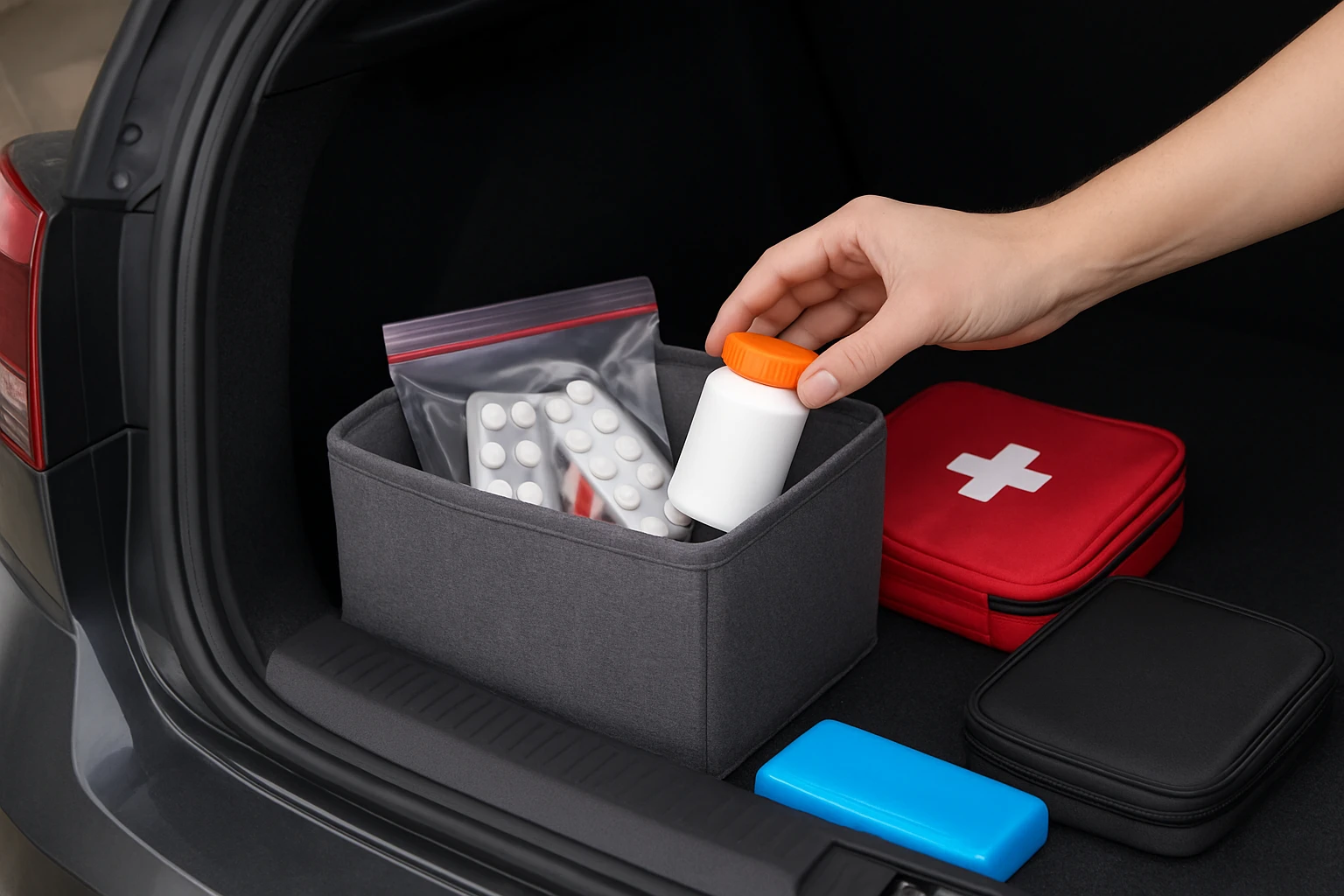
When embarking on a long road trip, the safety of essential medications can be as critical as the condition of the vehicle. Extreme temperatures in a car trunk can degrade pills, reduce the effectiveness of insulin, and compromise the integrity of liquid medicines. This guide will teach readers how to evaluate medication needs, select appropriate storage solutions, and implement practical steps to protect medicines from heat, cold, and theft. By following the instructions, one can travel with confidence, knowing that health supplies remain stable and secure throughout the journey.
What You'll Need
- Insulated container or organizer (e.g., DOUKE Medicine Organizer)
- Secondary compartment for small items (e.g., Goffing Travel Pill Organizer)
- Temperature‑monitoring device (digital thermometer or smartphone sensor)
- Secure fastening method (bungee cords, non‑slip mat, or lockable bag)
- Labeling supplies (water‑proof labels or marker)
Step 1: Assess Medication Types and Storage Requirements
The first action is to inventory every medication that will be needed during the trip. Separate items into three categories: temperature‑sensitive (e.g., insulin, certain antibiotics), moisture‑sensitive (e.g., effervescent tablets), and stable (e.g., standard pain relievers). Understanding the classification determines the level of protection required. For temperature‑sensitive medicines, a container that offers both insulation and a moisture‑proof seal is essential.
Once categorized, note the dosage schedule and the quantity needed for each day. This information helps decide whether a single large organizer or multiple smaller compartments will be more efficient. For families or groups, a larger, stackable solution such as the CTIME 3‑Tier Organizer provides separate tiers for each individual while keeping the entire set in one portable unit.
Step 2: Choose an Appropriate Container
Selecting the right storage tool is the cornerstone of medication safety. The DOUKE Medicine Organizer offers a spacious 15‑quart clear box with a removable tray, making it easy to view contents without opening the lid. Its transparent plastic construction allows quick visual checks, while the raised corners enable stacking with other boxes, saving trunk space. At $22.67 and a 4.5‑star rating from 63 reviews, it balances cost and durability.
For travelers who need a more compact, pocket‑sized solution, the Goffing Travel Pill Organizer provides two sizes of 7‑compartment weekly pill boxes. Priced at $9.19 with a 4.4‑star rating from 536 reviews, it includes 84 labels and a moisture‑proof silicone seal, making it ideal for daily doses that must stay dry.
If the trip involves multiple passengers or a longer duration, the CTIME 3‑Tier Organizer offers three layers of storage, a leather‑handled carry, and a snap‑on lid that provides shade and moisture protection. At $26.99 and a 4.4‑star rating from 1,448 reviews, it is a robust option for families who need to separate prescriptions, vitamins, and first‑aid supplies.
Step 3: Prepare the Trunk Environment
Even the best container cannot fully compensate for an unregulated trunk temperature. Begin by placing a non‑slip mat or a thin insulated panel on the trunk floor to reduce direct heat transfer from the vehicle's metal surface. If the vehicle has a built‑in climate control system, set the cabin temperature to a moderate level and keep the windows slightly open to allow air circulation.
For extreme climates, consider a portable cooler bag with a built‑in ice pack. The Naanle Pill Organizer Bag is constructed from water‑repellent polyester twill, includes multiple zippered pockets, and can accommodate a small cooler insert. At $24.99 with a 4.6‑star rating from 38 reviews, it offers both protection from temperature spikes and an additional layer of theft deterrence due to its zippered closure.
Finally, install a small digital thermometer that can be read through the trunk window or via a smartphone app. Monitoring the internal temperature ensures that any sudden rise above 86°F (30°C) triggers an immediate corrective action, such as moving the container to a cooler location or adding ice packs.
Step 4: Organize Medication Within the Container
After the trunk environment is prepared, arrange the medications inside the chosen organizer. Use the removable tray of the DOUKE organizer to separate daily pills from weekly supplements, placing larger prescription bottles in the lower compartment and smaller items (e.g., bandages, ointments) in the top tray. This layout mirrors the recommended “top‑section quick‑access” practice praised by users, ensuring that urgent items are reachable without disturbing the entire box.
For the Goffing 7‑compartment organizer, assign each compartment to a specific day of the week and label it with the provided stickers. The transparent inner lid lets you verify the contents without opening the box, reducing exposure to ambient temperature.
If using the CTIME 3‑Tier Organizer, allocate each tier to a family member or medication category. The bottom tier can store bulk bottles, the middle tier can hold the Goffing weekly organizer for each person, and the top tier can contain the Naanle bag for emergency first‑aid items. This hierarchical arrangement maximizes space while keeping everything visible.
Step 5: Secure the Container Against Movement and Theft
During highway travel, sudden stops or sharp turns can cause containers to shift, potentially breaking seals or exposing medication to light. Anchor the organizer to the trunk floor using bungee cords or adjustable straps. The DOUKE organizer’s built‑in handle makes it easy to loop a strap around the container and the trunk anchor points.
To deter theft, store the organizer in a locked compartment or use a lockable bag such as the Naanle Pill Organizer Bag, which features a zippered front pocket and a sturdy main compartment. The bag’s polyester twill material resists tearing, and the zip closure adds a layer of security against opportunistic thieves.
Additionally, keep a copy of the medication list and emergency contact information in a separate, concealed pocket. In case the trunk is accessed without permission, the thief will not gain immediate insight into the value of the contents.
Step 6: Monitor Temperature Throughout the Journey
Even with insulation, temperature can fluctuate when the vehicle is parked in direct sunlight. Periodically check the digital thermometer and compare the reading to the safe storage range indicated on each medication label (commonly 59‑86°F or 15‑30°C). If the temperature exceeds the safe range, relocate the organizer to the cabin interior, where climate control is more reliable.
For longer stops, consider placing a small reusable ice pack inside the cooler compartment of the Naanle bag, ensuring that the pack does not directly touch temperature‑sensitive bottles to avoid condensation. Rotate ice packs every few hours to maintain a consistent cool environment.
Finally, after each leg of the trip, inspect seals, lids, and labels for signs of wear. Replace any damaged components before the next journey to maintain the integrity of the storage system.
Tips & Pro Tips
- Label each compartment with both the medication name and the administration time to avoid confusion.
- Store a spare set of essential pills in a separate, lightweight container (e.g., the Fullicon Large Travel Pill Box) in case the primary organizer is compromised.
- Use a reflective sunshade on the windshield when the vehicle is parked to reduce heat buildup in the trunk.
- When traveling with insulin, keep the cooler pack in a sealed plastic bag to prevent moisture from reaching the vial.
- Check local regulations regarding the transport of controlled substances; some jurisdictions require a locked container.
Troubleshooting
| Problem | Possible Cause | Solution |
|---|---|---|
| Medication appears discolored | Excess heat exposure | Move organizer to cabin, add ice pack, replace compromised meds. |
| Lids won't stay closed | Improper seal or worn latch | Switch to a newer container such as the Fullicon Large Travel Pill Box, which features a snap‑tight, never‑pop‑open lid. |
| Container slides during travel | Insufficient anchoring | Secure with bungee cords or place a non‑slip mat under the organizer. |
Conclusion
Storing medication safely in a car trunk on road trips requires careful planning, the right tools, and ongoing vigilance. By assessing medication needs, selecting an insulated organizer like the DOUKE Medicine Organizer or CTIME 3‑Tier Organizer, preparing the trunk environment, and securing the container, one can protect medicines from temperature extremes and theft. Regular temperature monitoring and proactive troubleshooting complete the safety loop, ensuring that health remains a priority throughout the adventure.
Apply these steps on your next journey, and travel with the confidence that comes from knowing your vital medications are preserved, organized, and secure.
Products Mentioned in This Guide
Frequently Asked Questions
How can I protect medication from extreme temperatures in a car trunk?
Use an insulated container or organizer and monitor temperature with a digital thermometer to keep meds within safe ranges.
What type of storage container is best for road‑trip medication?
A purpose‑built insulated medicine organizer, such as the DOUKE Medicine Organizer, provides temperature control and easy access.
How do I prevent pills from getting damaged by heat or cold?
Keep the container in a shaded, insulated spot, avoid direct sunlight, and check the temperature regularly during the trip.
What should I do to secure medication against theft while traveling?
Fasten the container with bungee cords or a lockable bag and store it out of sight, such as under a seat or in a locked compartment.
Do I need a separate compartment for small items like insulin pens?
Yes, a secondary compartment or travel pill organizer helps keep small, temperature‑sensitive items organized and protected.