Introduction
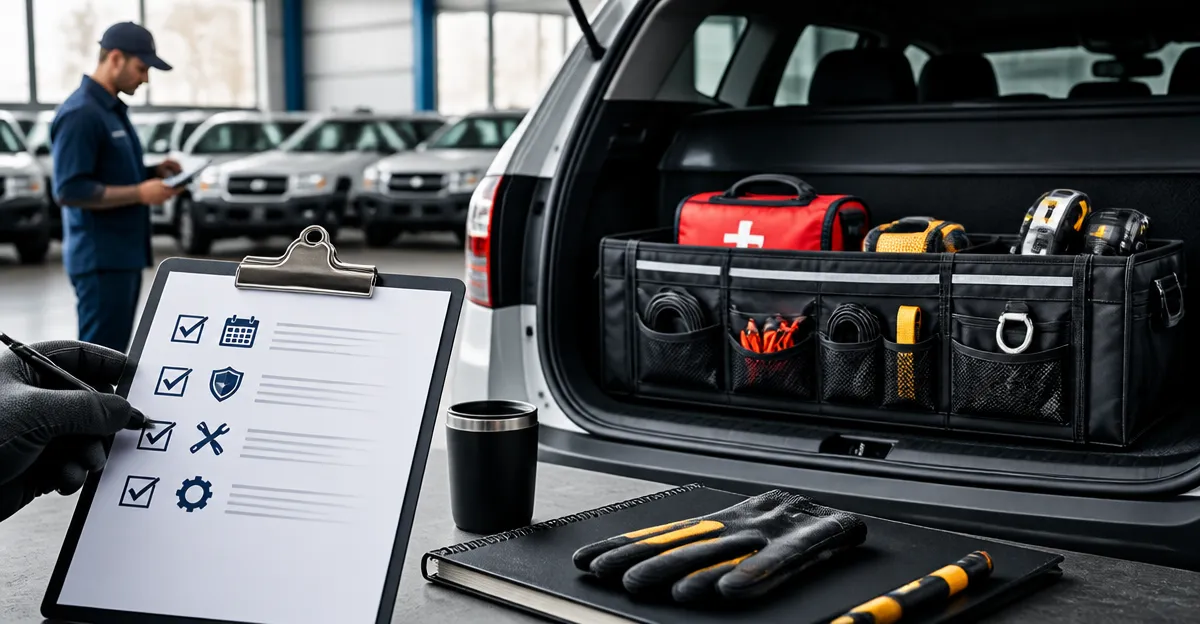
Fleet managers are responsible for maintaining vehicle efficiency, safety, and cleanliness across a diverse set of assets. This guide explains how to establish a systematic maintenance routine for trunk organizers, which are essential for securing tools, spare parts, and supplies. Readers will learn the underlying reasons for regular upkeep, discover proven checklists, and understand best‑practice strategies that extend the life of these storage solutions. By following the recommendations, fleet operators can reduce clutter, prevent damage, and improve overall vehicle readiness.
Background and Context
Trunk organizers are constructed from heavy‑duty fabrics such as 600D or 1680D Oxford polyester, often reinforced with rigid base plates and non‑slip strips. Their purpose is to transform an otherwise chaotic cargo area into a series of defined compartments, thereby limiting movement of items during sudden stops. In a fleet environment, the frequency of loading and unloading magnifies wear, making preventive maintenance a critical operational component. Understanding material durability, load limits, and cleaning requirements provides the foundation for any maintenance schedule.
Establishing a Maintenance Schedule
Effective maintenance begins with a clear calendar. A quarterly inspection aligns with typical fleet service intervals and ensures that organizers are examined before seasonal changes in cargo type. During each inspection, verify that all panels remain rigid, that the base plates are free of cracks, and that the non‑slip strips retain adhesion. Record findings in a centralized log to track recurring issues and to schedule corrective actions before they affect vehicle performance.
In addition to quarterly checks, a monthly visual audit is advisable for high‑usage vehicles. This audit should focus on signs of water ingress, frayed stitching, and the condition of adjustable dividers. For example, the JiatuA Car Trunk Organizer features a waterproof 600D Oxford shell and reinforced side panels; these elements should be inspected for any delamination or loss of waterproof coating. Promptly addressing minor wear preserves the organizer’s structural integrity and prevents cargo from shifting.
Creating a Detailed Checklist
A comprehensive checklist transforms a vague inspection into a repeatable process. The following items should be included for every organizer in the fleet:
- Verify that all zippered compartments close securely and that zippers glide without snagging.
- Inspect adjustable dividers for secure locking mechanisms; ensure they are positioned as intended for the current load.
- Check the condition of non‑slip bottom strips; replace if the adhesive has weakened.
- Confirm that foldable lids and removable covers are free of tears and that latch mechanisms function smoothly.
- Test any integrated straps or tie‑down loops for wear and proper tension.
For organizers with removable cooler bags, such as the Collapsible Trunk Organizer with Cooler, include a temperature retention test to ensure the insulated compartment still provides adequate thermal performance. Recording checklist results in a digital spreadsheet allows fleet managers to generate trend reports and to forecast replacement cycles based on actual wear patterns.
Recommended Products for Different Fleet Needs
Not all fleet vehicles require the same storage solution. Light‑duty delivery vans benefit from compact, foldable units that can be stored when not in use, while heavy‑duty trucks demand robust, multi‑compartment systems with reinforced bases. The FORTEM Trunk Organizer offers a sturdy box design with rigid base plates and non‑slip strips, making it ideal for trucks that transport tools and equipment. Its three compartments and side pockets accommodate a wide range of items, and the removable lid adds a layer of security for valuable tools.
For fleets that frequently transport perishable goods or need a built‑in cooler, the Collapsible Trunk Organizer with Cooler provides a leak‑proof insulated bag, 12 mesh pockets, and two tie‑down straps to secure the unit during abrupt braking. Its heavy‑duty 1680D Oxford fabric and water‑resistant PP base boards deliver durability comparable to industrial storage bins while remaining collapsible for easy stowage.
Comparison and Selection Guide
When selecting an organizer, fleet managers should evaluate three core criteria: load capacity, modularity, and environmental resistance. Load capacity is measured by the thickness of the fabric and the presence of reinforced base plates. The JiatuA Car Trunk Organizer uses 600D Oxford polyester with reinforced side panels, suitable for moderate loads up to 45 kg per compartment. In contrast, the COVAX Car Trunk Organizer features a rigid polyester base that can support heavier equipment without sagging.
Modularity refers to the ability to reconfigure compartments. Adjustable dividers are a hallmark of the JiatuA and K KNODEL Car Trunk Organizer, allowing users to tailor space for irregularly shaped items. Environmental resistance includes waterproofing, UV protection, and non‑slip features; the FORTEM and Collapsible Cooler models excel in this area with sealed seams and slip‑resistant bottoms.
Best Practices & Practical Tips
Beyond scheduled inspections, daily habits can dramatically extend organizer lifespan. Encourage drivers to empty the organizer at the end of each shift, wiping down surfaces with a damp cloth to remove dust and debris. For organizers with mesh pockets, use a soft brush to dislodge trapped grit that can degrade fabric fibers over time. When loading heavy items, place them at the bottom of the compartment to maintain a low center of gravity and reduce stress on the side panels.
Implement a rotation system for high‑traffic organizers. By swapping identical units between vehicles on a weekly basis, wear is distributed evenly across the fleet, and any emerging issues become apparent during the rotation check. Additionally, store spare replacement straps, zip ties, and adhesive non‑slip pads in a central inventory; this ensures quick repairs and minimizes vehicle downtime.
Frequently Asked Questions
1. How often should I clean a trunk organizer? A thorough cleaning is recommended every month, with spot cleaning after each load if liquids are involved. Use a mild detergent and a soft brush to avoid damaging waterproof coatings.
2. Can I use a trunk organizer in extreme temperatures? Yes, provided the organizer is made from UV‑stable polyester. The FORTEM Trunk Organizer is rated for both hot summer conditions and cold winter environments, thanks to its reinforced base plates and non‑slip strips.
3. What is the maximum weight a typical organizer can hold? Most 600D Oxford models support up to 45 kg per compartment, while heavy‑duty 1680D designs can handle 60 kg or more. Always refer to the manufacturer’s specifications for exact limits.
4. How do I prevent organizer movement during sudden braking? Secure the organizer with built‑in tie‑down straps or use the vehicle’s existing cargo nets. The Collapsible Trunk Organizer with Cooler includes two tie‑down straps specifically for this purpose.
5. Is it safe to store hazardous materials in a trunk organizer? Hazardous items should be stored in containers that meet safety regulations. An organizer can hold the containers, but it must not be the primary barrier; always follow OSHA and local guidelines.
6. Can I customize the color of the organizer to match my fleet branding? Many manufacturers offer color options. The JiatuA model is available in beige, while the K KNODEL version comes in black; for custom colors, contact the supplier directly.
7. What warranty coverage is typical for these products? Most reputable brands provide a one‑year limited warranty covering material defects. Verify the warranty terms on the product page before purchase.
Conclusion
Maintaining trunk organizers is a straightforward yet powerful way to enhance fleet efficiency, safety, and professionalism. By establishing a regular inspection schedule, using detailed checklists, and selecting the appropriate product for each vehicle class, fleet managers can minimize cargo damage and reduce downtime. Incorporating the best‑practice tips outlined in this guide will ensure that organizers remain functional and presentable throughout their service life, ultimately supporting the broader goals of fleet reliability and cost control.
Products Featured in This Guide
JiatuA Car Trunk Organizer
Price: Not listed | Rating: Not listed
Featured for its waterproof 600D Oxford polyester, reinforced side panels, and adjustable dividers that suit a variety of cargo shapes.
FORTEM Trunk Organizer
Price: Not listed | Rating: Not listed
Chosen for its rigid base plates, non‑slip bottom, and removable lid, providing a secure, modular storage solution for heavy‑duty trucks.
Collapsible Trunk Organizer with Cooler
Price: $49.99 | Rating: 4.7/5 (2,177 reviews)
Highlights include an insulated leak‑proof cooler bag, 12 mesh pockets, and tie‑down straps, making it ideal for fleets that transport food or temperature‑sensitive items.
COVAX Car Trunk Organizer
Price: $21.69 | Rating: 4.7/5 (2,219 reviews)
Offers two large compartments, sturdy handles, and a collapsible design at an affordable price point, suitable for light‑duty vehicles.
K KNODEL Car Trunk Organizer
Price: $12.99 | Rating: 4.7/5 (3,859 reviews)
Features high‑quality 600D Oxford polyester, reinforced handles, and a smart two‑section design, delivering maximum utility for a minimal budget.