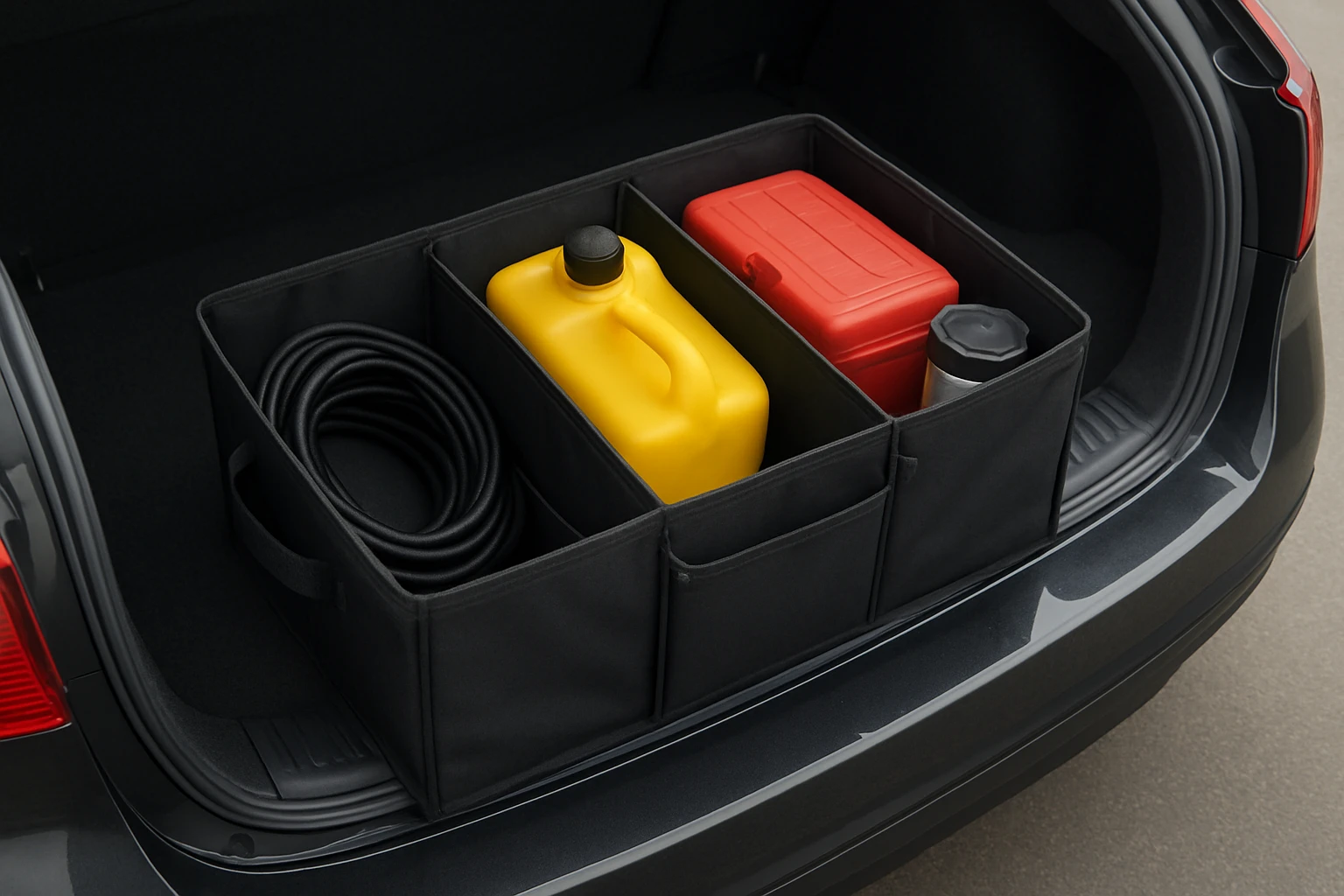

Ultimate Guide to Trunk Organizers for Fleet and Rental Cars: Best Picks, Setup Tips, and Cost‑Saving Strategies
Introduction
The efficient use of cargo space in fleet and rental vehicles can directly influence operational costs and customer satisfaction. This guide explains why trunk organizers are essential tools for businesses that manage multiple vehicles. Readers will learn foundational concepts, evaluate product options, and acquire actionable strategies for installation and maintenance. By the end of the article, one will be equipped to select the most suitable organizer and implement best‑practice procedures.
Background and Context
Fleet operators often contend with diverse cargo requirements, ranging from grocery deliveries to equipment transport. Without a structured storage system, items may shift during transit, causing damage or safety hazards. Trunk organizers provide rigid compartments, non‑slip surfaces, and secure straps that keep goods stable. Understanding material durability, load capacity, and modularity is critical before making a purchase.
Key Concepts and Product Recommendations
Three primary criteria determine the suitability of a trunk organizer for commercial use: structural integrity, adaptability, and ease of maintenance. The following sections explore each criterion and recommend a product that exemplifies the principle.
Structural Integrity
Commercial vehicles experience frequent loading and unloading, requiring organizers that resist deformation. Reinforced base plates and high‑density fabric contribute to long‑term resilience. The FORTEM Foldable Trunk Organizer features a sturdy box design with rigid base plates that support every side panel, reducing the risk of collapse under heavy loads.
- Material: 600D Oxford fabric for abrasion resistance.
- Load capacity: Up to 45 L volume, suitable for bulk grocery or equipment storage.
- Rating: 4.7/5 from 50,841 verified reviews, indicating high customer satisfaction.
Adaptability
Fleet vehicles differ in trunk dimensions, so an organizer must adjust to varied spaces. Adjustable straps and collapsible construction enable a custom fit for SUVs, vans, and compact cars. The same FORTEM Foldable Trunk Organizer includes non‑slip strips and adjustable straps that secure the unit to the cargo floor, preventing movement during sudden stops.
- Collapsible design allows storage when not in use, freeing space for larger items.
- Removable lid provides concealed storage for valuable or delicate items.
- Two side pockets with lids accommodate smaller accessories such as tools or documents.
Ease of Maintenance
Commercial use demands products that can be cleaned quickly and withstand repeated washing. Materials that repel moisture and dust reduce the need for intensive upkeep. The FORTEM Foldable Trunk Organizer uses water‑resistant Oxford fabric, and its removable lid can be wiped with a damp cloth, simplifying routine cleaning.
- Soft cover protects items from scratches while remaining easy to wipe.
- All seams are reinforced to prevent fraying after multiple washes.
Comparison and Selection Guide
Choosing the optimal organizer requires matching vehicle specifications with product features. The table below compares the highlighted organizer with two generic categories often considered by fleet managers.
| Feature | FORTEM Foldable Trunk Organizer | Standard Rigid Plastic Bin | Basic Mesh Cargo Net |
|---|---|---|---|
| Material | 600D Oxford fabric with rigid base plates | Heavy‑duty polypropylene | Polyester mesh |
| Adjustability | Straps and collapsible design | Fixed dimensions | Elastic hooks only |
| Load Capacity | 45 L, up to 30 kg | Up to 50 kg, but no compartments | Up to 15 kg, no compartments |
| Non‑Slip Surface | Integrated non‑slip strips | None | None |
| Cleaning | Wipe‑clean fabric | Requires detergent soak | Spot clean only |
| Price (USD) | $19.99 | $34.99 | $12.99 |
| Average Rating | 4.7/5 | 4.2/5 | 3.9/5 |
For most fleet applications, the FORTEM organizer offers the best balance of durability, flexibility, and cost efficiency. Rigid plastic bins excel in pure weight capacity but lack compartmentalization, while mesh nets provide minimal organization and are prone to shifting.
Best Practices & Tips
Implementing a trunk organizer effectively requires more than purchasing the product. The following recommendations help maximize utility and extend product life.
- Assess the typical cargo mix for each vehicle type and allocate compartments accordingly. Heavy items should occupy the central base, while lighter accessories belong in side pockets.
- Secure the organizer with the provided straps before loading. Tightening the straps after each load ensures the unit remains stationary.
- Utilize the removable lid to conceal high‑value items such as GPS devices or spare keys, reducing the risk of theft.
- Conduct a quarterly inspection of seams, straps, and non‑slip strips. Replace any worn components promptly to maintain safety standards.
- When the organizer is not needed, collapse it and store it in the vehicle’s rear seat or a dedicated storage compartment to free up cargo space.
Adhering to these practices can lower labor time spent on re‑organizing cargo and decrease the incidence of damaged goods, thereby contributing to overall cost savings.
Frequently Asked Questions
1. Can the organizer fit both SUVs and compact cars?
Yes, the adjustable straps and collapsible design allow the organizer to adapt to a wide range of trunk dimensions, making it suitable for most fleet vehicles.
2. How much weight can the organizer safely hold?
The organizer is rated for up to 30 kg (approximately 66 lb), which covers typical grocery, equipment, and accessory loads encountered in rental and fleet operations.
3. Is the fabric water‑resistant?
The 600D Oxford fabric is treated to repel moisture, preventing water from soaking through and protecting stored items during rainy conditions.
4. Will the non‑slip strips wear out over time?
Non‑slip strips are made of durable silicone material. With normal usage and periodic cleaning, they retain their grip for several years.
5. How easy is it to clean the organizer?
Cleaning requires a simple wipe with a damp cloth. The removable lid can be detached for more thorough cleaning if needed.
6. Does the organizer require assembly?
No assembly is required. The organizer arrives fully constructed; users only need to unfold it and secure the straps.
7. Is the product covered by a warranty?
FORTEM offers a one‑year limited warranty against manufacturing defects, providing additional confidence for commercial buyers.
Conclusion
Effective cargo organization is a cornerstone of efficient fleet and rental car management. By selecting a durable, adaptable, and easy‑to‑maintain solution such as the FORTEM Foldable Trunk Organizer, businesses can reduce damage, improve turnaround times, and achieve measurable cost savings. Implement the outlined best practices to ensure the organizer delivers consistent performance across all vehicle types.
Products Featured in This Guide
FORTEM Foldable Trunk Organizer
Price: $19.99
Rating: 4.7/5 from 50,841 reviews
Why featured: Provides a sturdy, collapsible design with non‑slip strips and adjustable straps, making it ideal for diverse fleet and rental vehicle trunks.