Hypoallergenic Trunk Organizer Fabrics: The Ultimate Guide to Choosing, Caring for, and Buying Low-Allergen Materials
Introduction
Keeping a vehicle tidy often requires a trunk organizer, but many drivers overlook the health impact of the fabric used inside the cargo area. This guide explains why hypoallergenic materials matter, how to identify them, and what maintenance practices preserve their benefits. Readers will learn the science behind low‑allergen fabrics, compare popular options, and receive a curated product recommendation that meets both functional and health criteria. By the end, one will be equipped to select a trunk organizer that supports a clean, comfortable driving environment.
Background and Context
Allergens such as dust mites, pollen, and pet dander can accumulate in vehicle interiors, especially in fabric‑filled storage solutions. When a trunk organizer is made from porous or untreated textiles, it can become a breeding ground for these particles, aggravating respiratory conditions and skin sensitivities. Hypoallergenic fabrics are engineered to resist allergen absorption, often through tightly woven fibers, antimicrobial treatments, or natural materials with low allergen potential. Understanding these properties is essential for anyone who spends significant time in their car or transports food, pets, or sports equipment.
Regulatory bodies do not define a universal standard for “hypoallergenic” in automotive accessories, so manufacturers rely on industry‑accepted descriptors such as “anti‑dust‑mite,” “antimicrobial,” or “low‑pilling.” Consumers should therefore evaluate claims against measurable characteristics: fiber composition, weave density, and any certified treatments. This guide provides a framework for making those evaluations without relying on vague marketing language.
Understanding Hypoallergenic Fabrics
Three core attributes determine a fabric’s hypoallergenic performance: fiber type, weave construction, and surface treatment. Natural fibers like high‑density polyester and nylon are synthetic yet non‑porous, limiting allergen retention. In contrast, cotton and linen, while breathable, can trap dust unless treated with antimicrobial finishes. The second attribute, weave density, is expressed in threads‑per‑inch (TPI); higher TPI values create tighter barriers that discourage mite migration.
Surface treatments add an extra layer of protection. Silver‑ion or copper‑based antimicrobial agents inhibit bacterial growth, reducing odor and the secondary allergens that bacteria produce. Some manufacturers also apply water‑repellent coatings that prevent moisture buildup, a condition that encourages mold and mildew. When evaluating a trunk organizer, one should look for specifications that mention TPI, antimicrobial treatment, and water resistance.
Key Fabric Types for Trunk Organizers
- Heavy‑Duty Oxford Polyester: A tightly woven, abrasion‑resistant material commonly used in automotive storage. Its low porosity and optional antimicrobial coating make it a strong candidate for hypoallergenic applications.
- Ballistic Nylon: Known for its durability and dense weave, ballistic nylon offers excellent resistance to dust penetration. It is often treated with water‑repellent finishes, further reducing allergen buildup.
- Polypropylene Mesh: While mesh provides visibility, low‑density versions can trap allergens. High‑density polypropylene mesh, however, balances breathability with a tighter weave, limiting allergen capture.
- Eco‑Friendly Recycled Fabrics: Some manufacturers use recycled polyester blends that incorporate antimicrobial additives, delivering sustainability without sacrificing hypoallergenic performance.
Each fabric type presents trade‑offs between weight, flexibility, and allergen resistance. Selecting the appropriate material depends on the intended use case—whether the organizer will hold groceries, sports gear, or temperature‑controlled items.
How Fabric Choice Impacts Vehicle Hygiene
Choosing a hypoallergenic fabric directly influences the overall cleanliness of a vehicle’s interior. A tightly woven organizer prevents dust and pollen from seeping into the trunk compartment, thereby reducing the amount of allergen that can be transferred to passenger seats. Moreover, antimicrobial treatments inhibit bacterial growth that can cause unpleasant odors, especially when the organizer is used to store food or wet items.
In addition to health benefits, a low‑allergen fabric extends the lifespan of the organizer itself. By resisting moisture and microbial degradation, the material maintains its structural integrity longer, offering better value for the consumer. This durability is particularly important for drivers who regularly load heavy equipment or engage in outdoor activities where exposure to dirt and moisture is inevitable.
Product Recommendation: Snuopfy Car Trunk Organizer
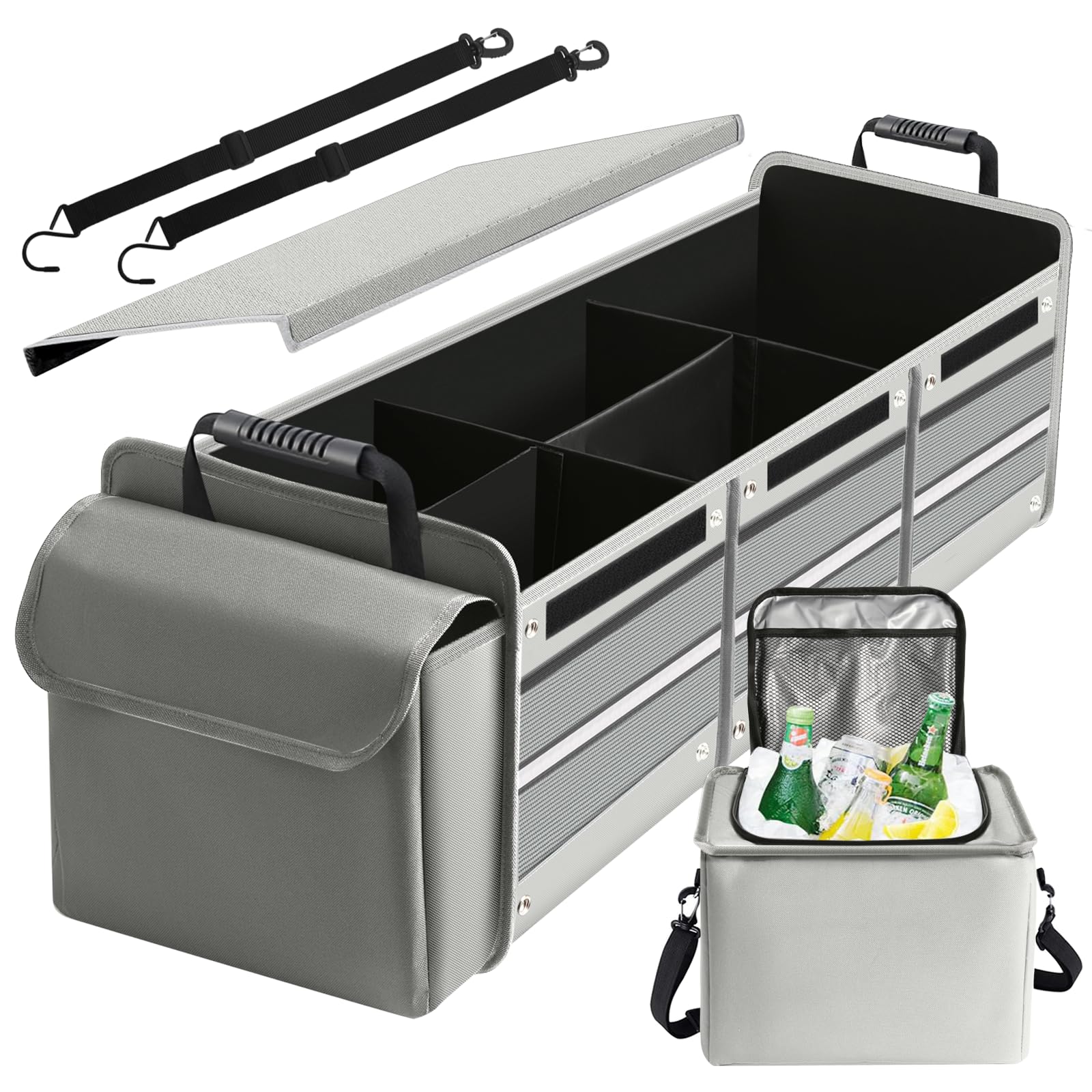
The Snuopfy Car Trunk Organizer exemplifies many of the hypoallergenic principles discussed above. Constructed from heavy‑duty Oxford polyester, it features a tightly woven surface that limits allergen ingress. The organizer includes 24 stainless steel snap fasteners, ensuring a secure assembly without compromising the fabric’s integrity.
Key specifications include a 115‑liter capacity, three adjustable compartments, six mesh pockets, and a built‑in insulated cooler bag. The cooler compartment is made from a leak‑proof, eco‑friendly material that can be folded away when not needed, preventing moisture accumulation within the main storage area. With a rating of 4.7 out of 5 stars from 851 reviews, users praise its durability, ease of cleaning, and ability to keep items organized and temperature‑controlled.
At a price of $36.99, the Snuopfy organizer offers a cost‑effective solution for drivers seeking a hypoallergenic, versatile storage system. Its collapsible design allows it to be stored in a laptop‑sized bag when not in use, further reducing exposure to dust when the vehicle is parked for extended periods.
Comparison and Selection Guide
When selecting a hypoallergenic trunk organizer, consider the following criteria:
| Criterion | Why It Matters | Recommended Feature |
|---|---|---|
| Fabric Density (TPI) | Higher density reduces allergen penetration. | Oxford polyester with ≥ 300 TPI. |
| Antimicrobial Treatment | Prevents bacterial growth and odor. | Silver‑ion or copper‑based coating. |
| Water Resistance | Limits moisture‑driven mold formation. | PU‑coated surface or built‑in waterproof pockets. |
| Modular Compartments | Allows customization for different cargo types. | Adjustable dividers and mesh pockets. |
| Ease of Cleaning | Facilitates regular allergen removal. | Wipe‑clean surface with mild detergent. |
By scoring potential products against this matrix, one can objectively determine which organizer best aligns with personal health priorities and functional needs. The Snuopfy Car Trunk Organizer scores highly across all categories, making it a strong candidate for most drivers.
Best Practices & Tips
- Regularly vacuum the organizer’s interior using a handheld brush attachment to remove dust and dander.
- Wipe the fabric with a solution of equal parts water and white vinegar to neutralize allergens without damaging antimicrobial coatings.
- When storing perishable items, activate the insulated cooler bag and ensure it is sealed to prevent moisture leakage.
- Periodically inspect snap fasteners and stitching for signs of wear; replace or repair promptly to maintain structural integrity.
- Store the organizer in a dry, shaded area when not in use; the collapsible design allows it to be kept inside the vehicle’s cabin, away from direct sunlight.
Implementing these practices maximizes the hypoallergenic benefits of the organizer and extends its service life. Consistent maintenance also reduces the likelihood of allergen buildup, contributing to a healthier driving environment.
Frequently Asked Questions
1. What makes a fabric hypoallergenic?
A hypoallergenic fabric typically has a tight weave, low porosity, and may include antimicrobial treatments that inhibit dust mite and bacterial growth.
2. Can I wash a trunk organizer in a washing machine?
Most heavy‑duty organizers, including the Snuopfy model, are designed for spot cleaning only; machine washing can damage snap fasteners and coatings.
3. Does the insulated cooler bag affect allergen resistance?
The cooler bag is made from leak‑proof, eco‑friendly material that can be folded into a flap pocket when not in use, preventing moisture from compromising the main fabric’s hypoallergenic properties.
4. Are stainless steel snaps safe for people with metal allergies?
Stainless steel is generally hypoallergenic; however, individuals with severe nickel sensitivity should verify the specific alloy composition before purchase.
5. How often should I replace my trunk organizer?
With proper care, a high‑quality organizer can last five to seven years. Replace it when stitching frays, snaps fail, or the fabric shows signs of persistent odor.
6. Is the Snuopfy organizer suitable for pet owners?
Yes; its waterproof compartments and antimicrobial fabric help contain pet hair and odors while resisting allergen buildup.
Conclusion
Choosing a hypoallergenic trunk organizer involves evaluating fabric density, antimicrobial treatments, water resistance, and modular design. By understanding these factors, drivers can reduce exposure to common allergens and maintain a cleaner vehicle interior. The Snuopfy Car Trunk Organizer demonstrates how a well‑engineered product can meet health standards while offering practical features such as an insulated cooler bag and collapsible storage. Implementing regular cleaning routines further enhances the organizer’s benefits, ensuring a long‑lasting, low‑allergen solution for everyday travel.
Products Featured in This Guide
Snuopfy Car Trunk Organizer
Price: $36.99
Rating: 4.7 out of 5 stars (851 reviews)
Featured because it combines heavy‑duty Oxford polyester, a high‑density weave, antimicrobial stainless steel snaps, and a built‑in insulated cooler bag, delivering a comprehensive hypoallergenic solution for vehicle cargo storage.